


Spicy
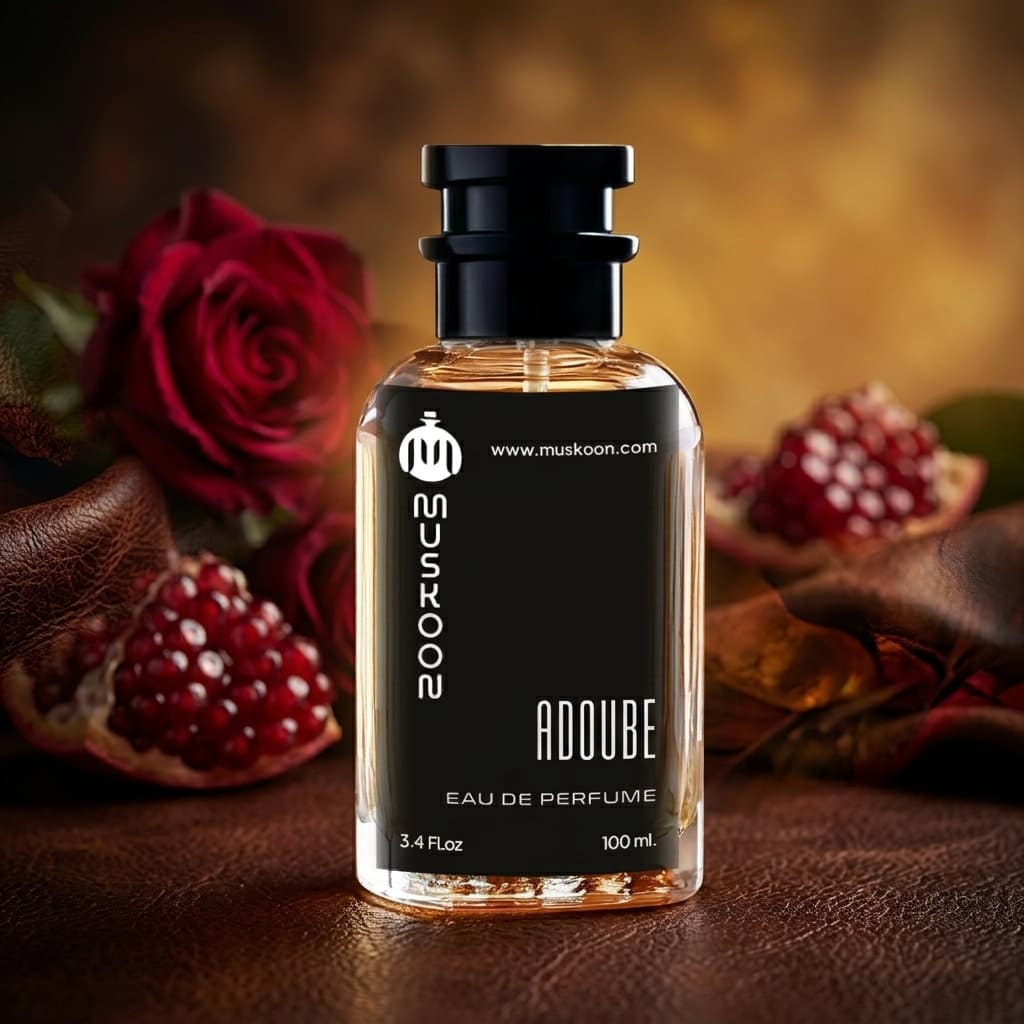
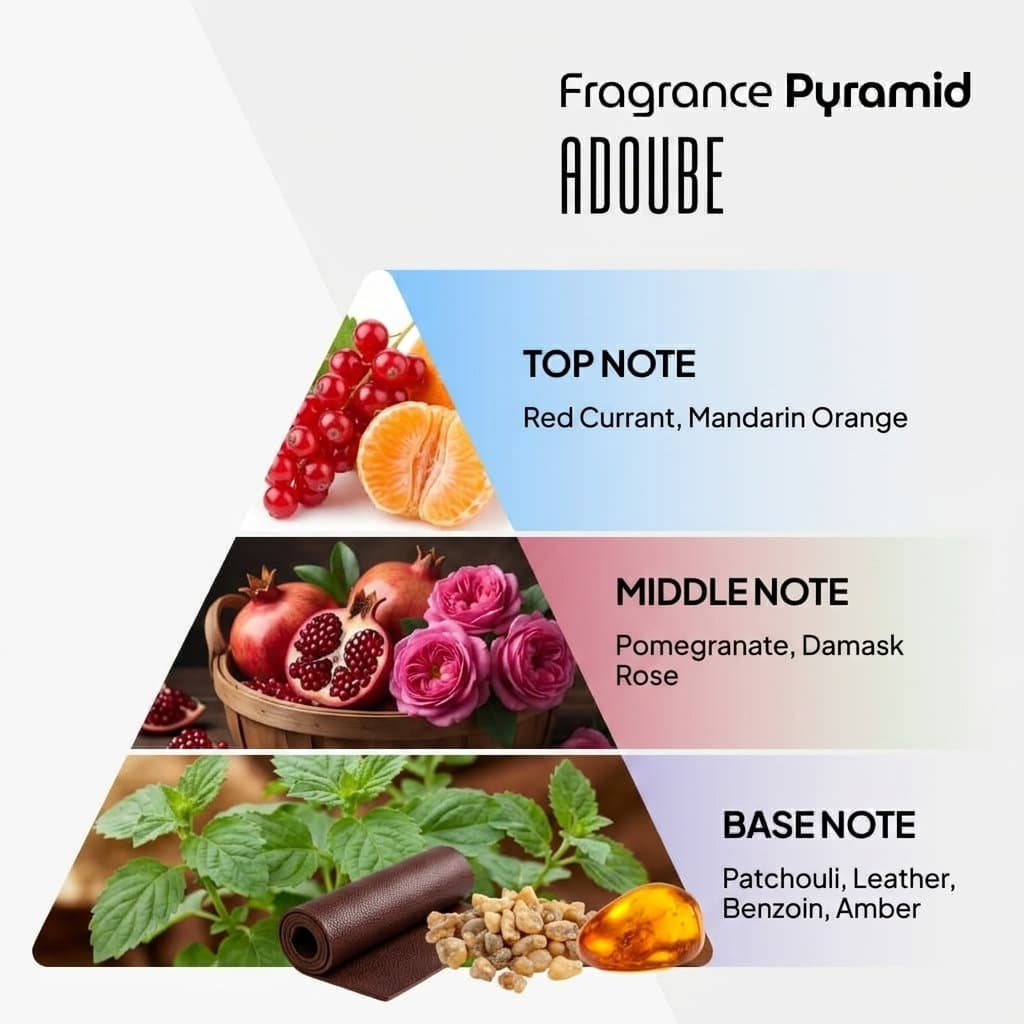
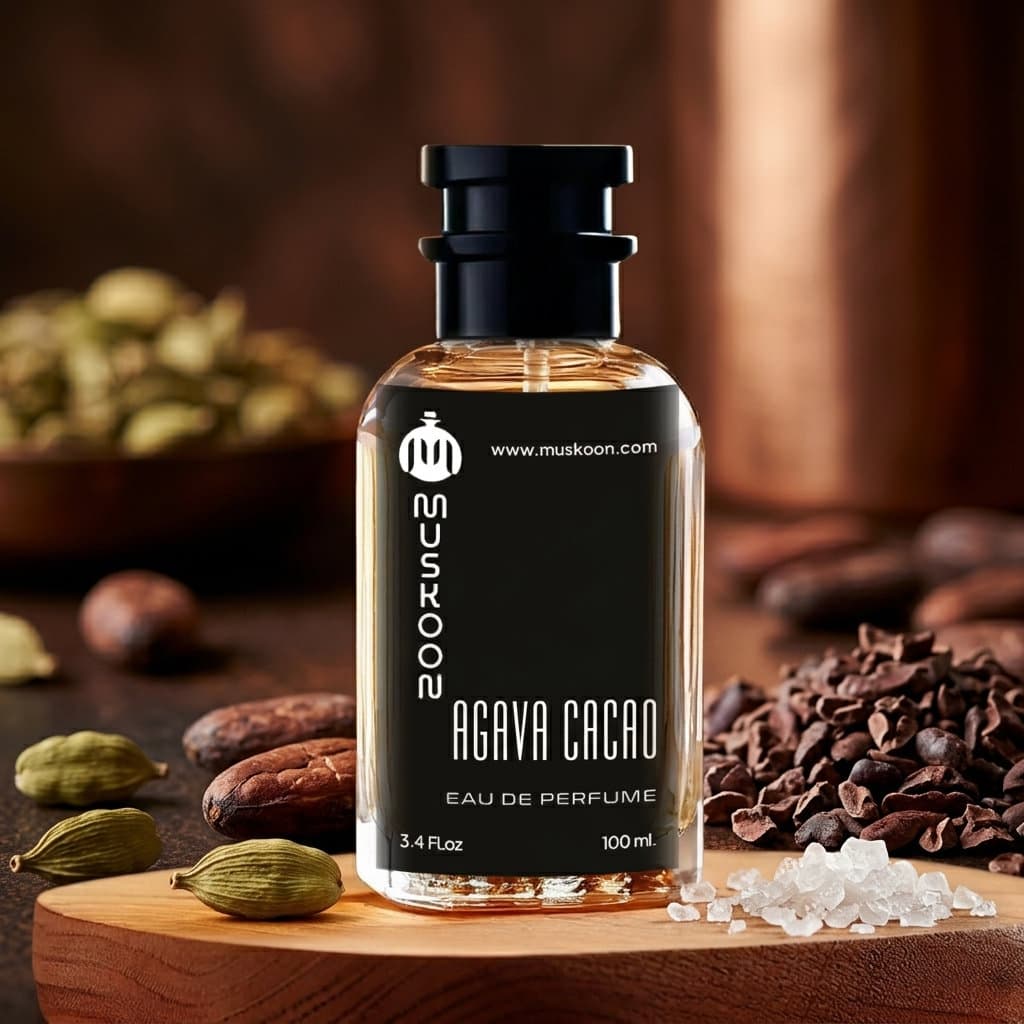
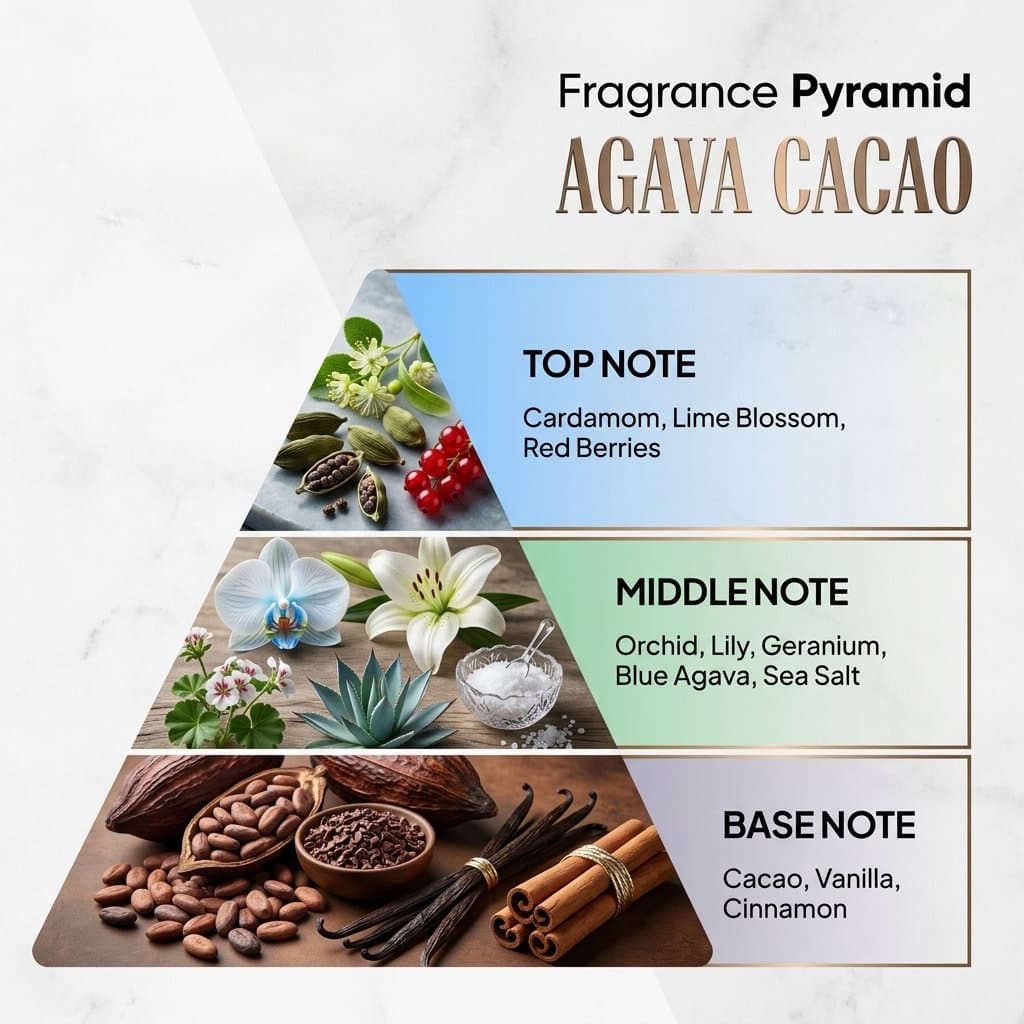
A spicy fragrance has a scent character that can feel warm, peppery, aromatic, dry or sweet. It is not one fixed smell or a description of a single ingredient. Some spicy perfumes have rounded warmth, while others offer sharper, fresher impressions. Explore the Muskoon Spicy collection to compare different expressions of this fragrance family.
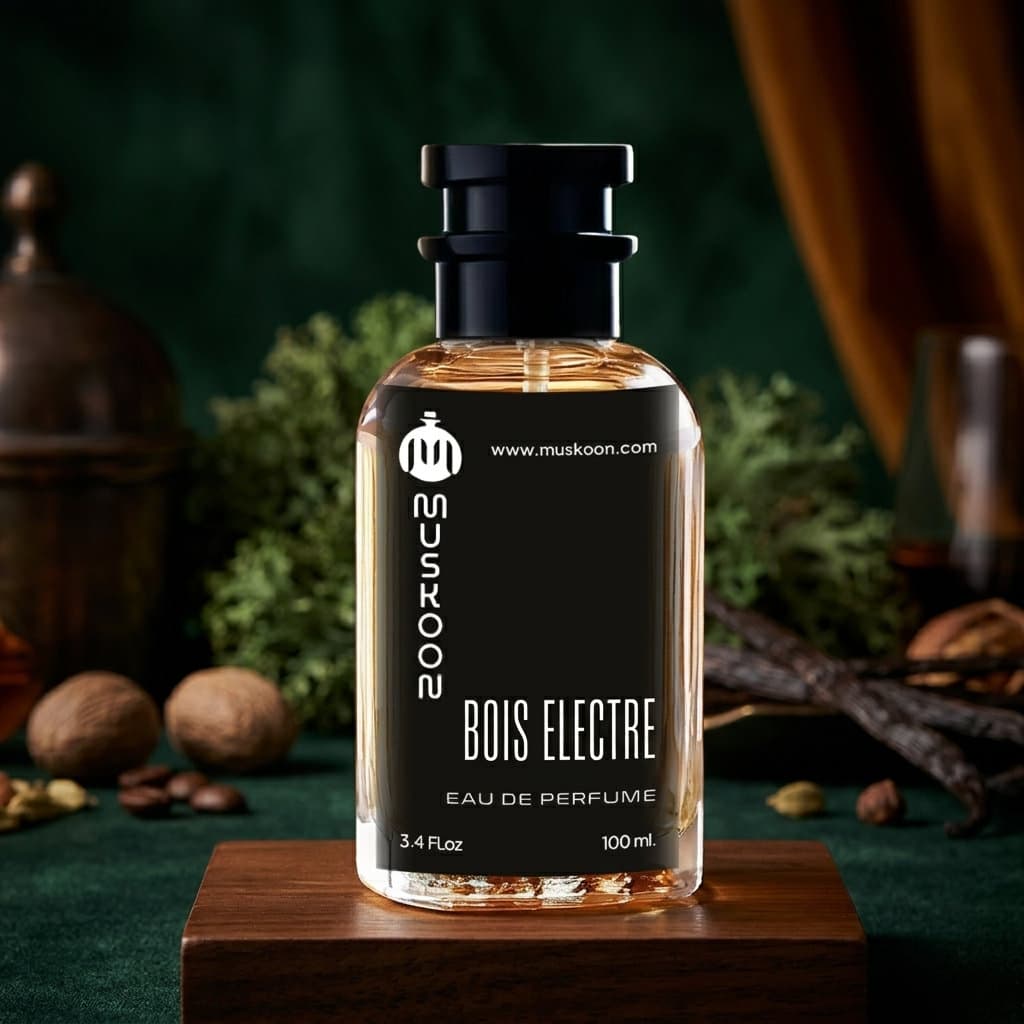
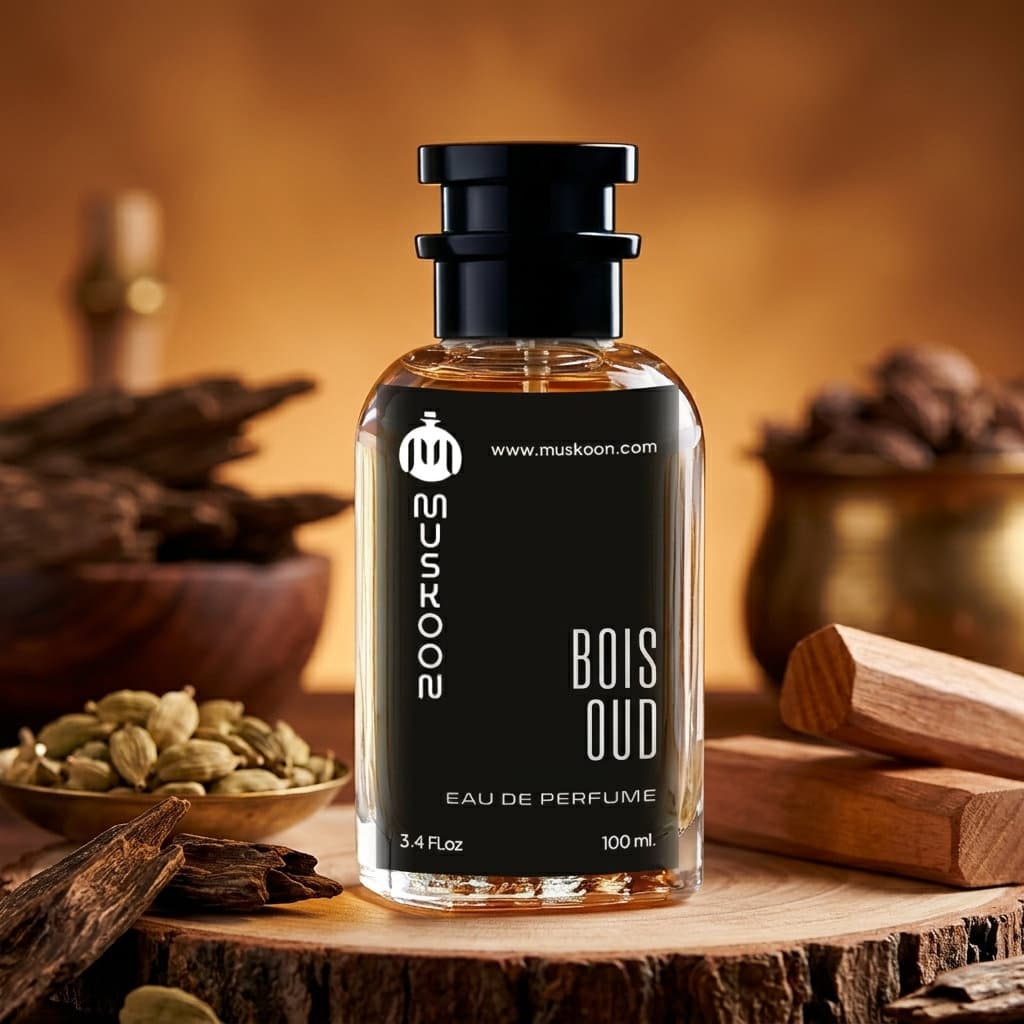
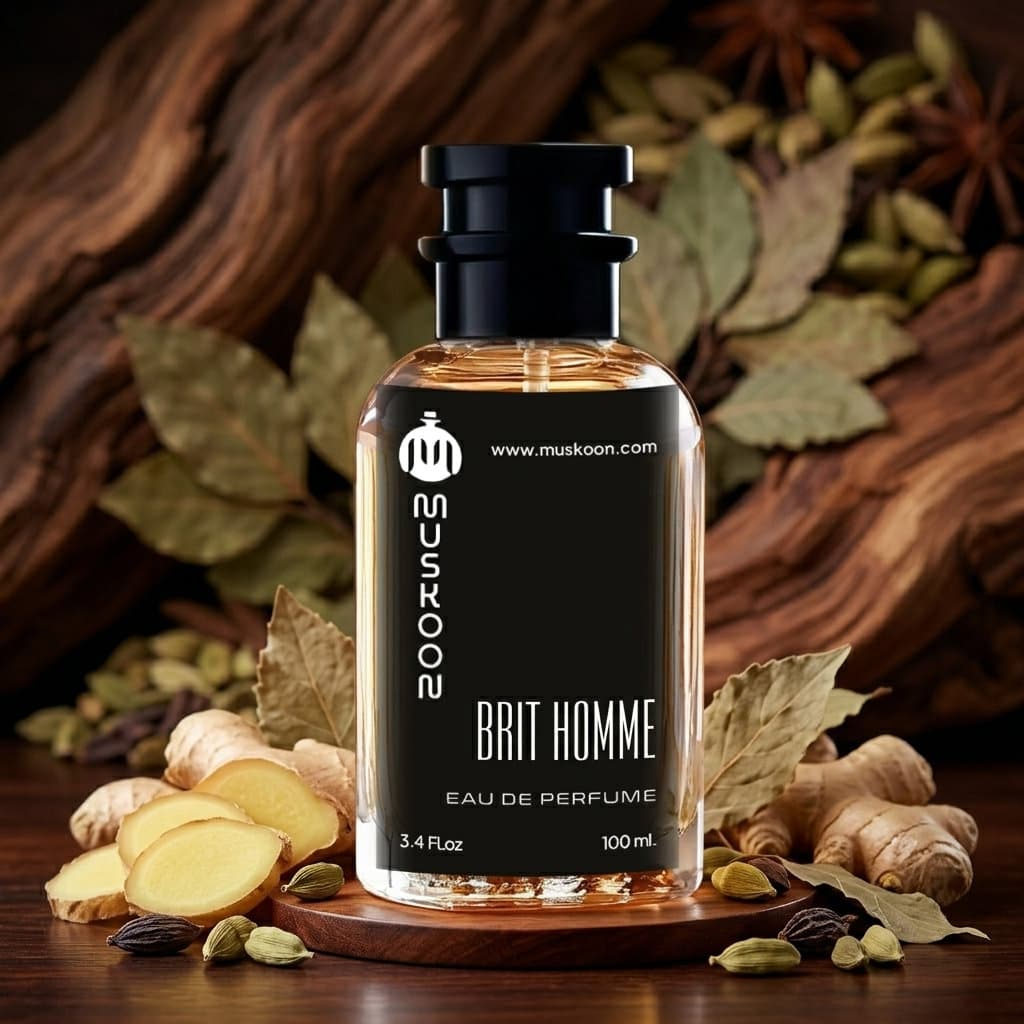
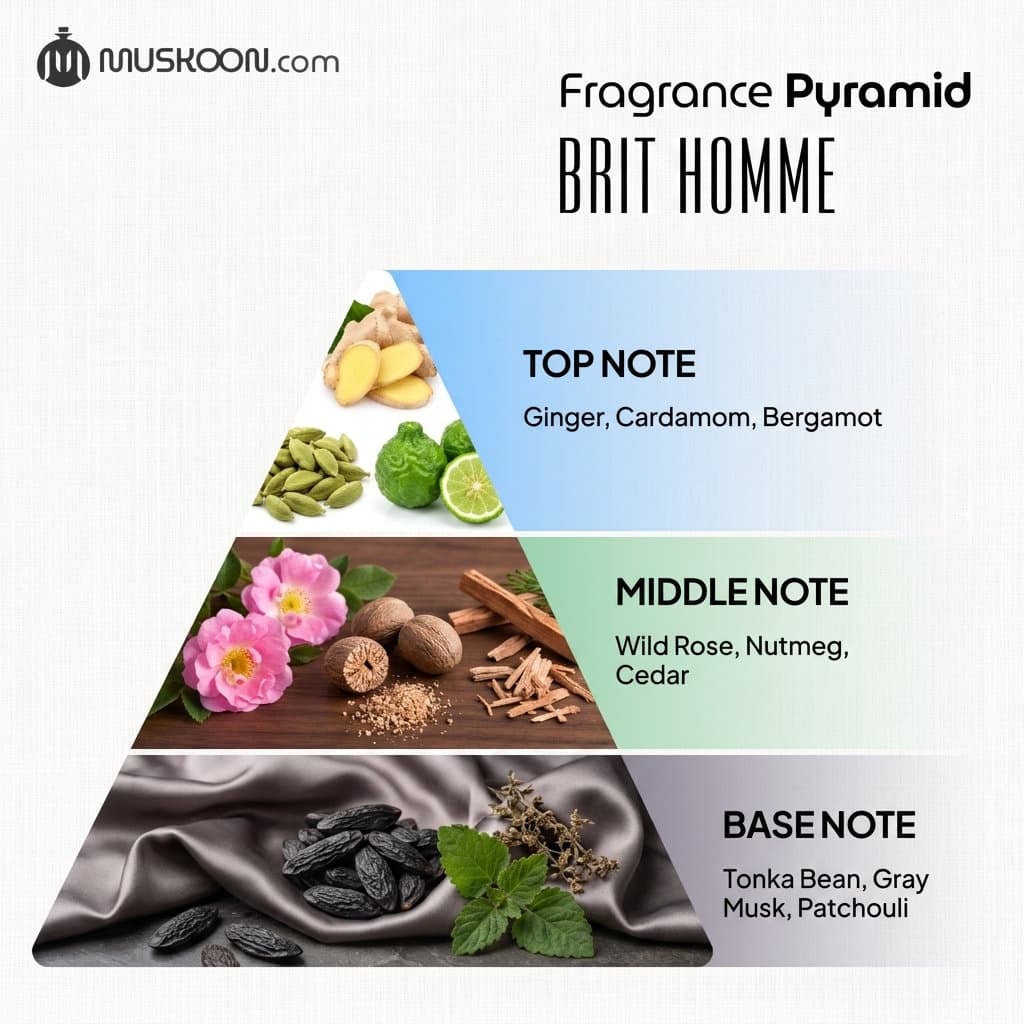
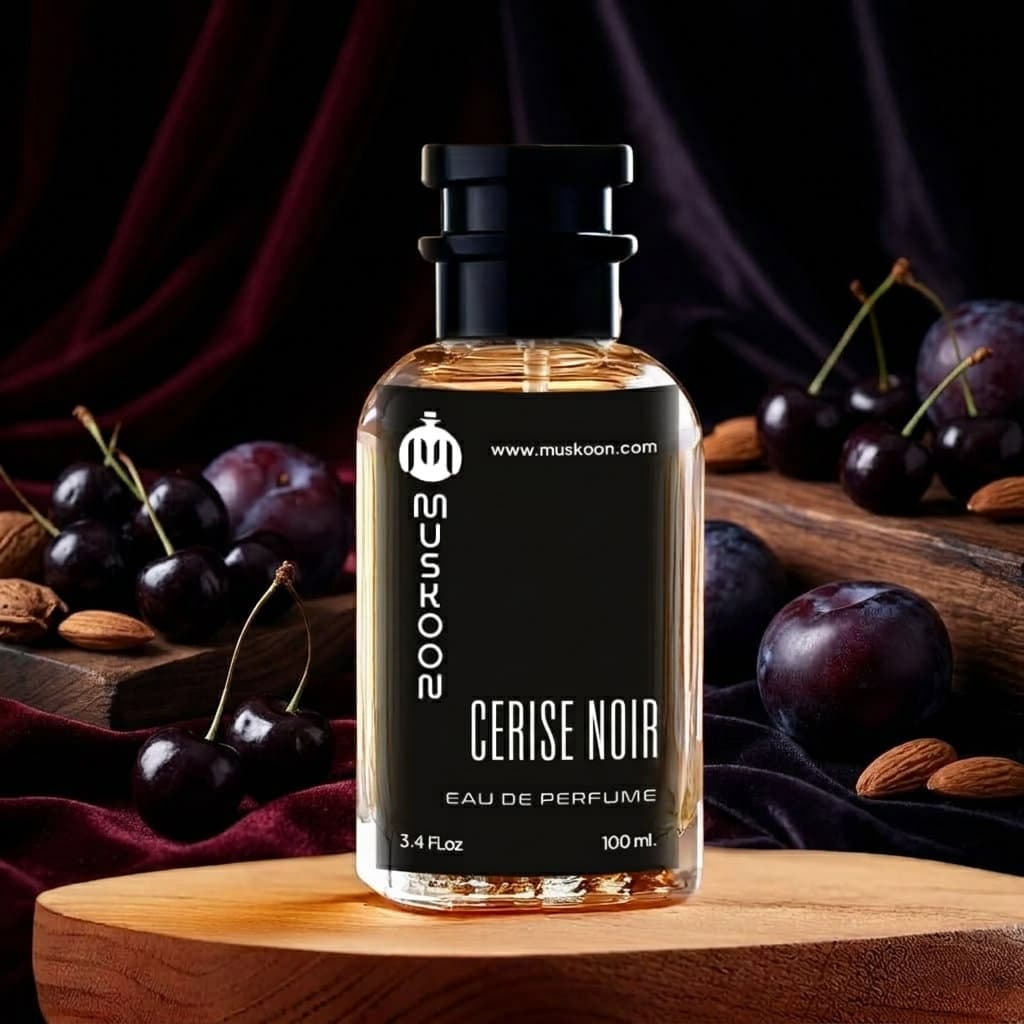
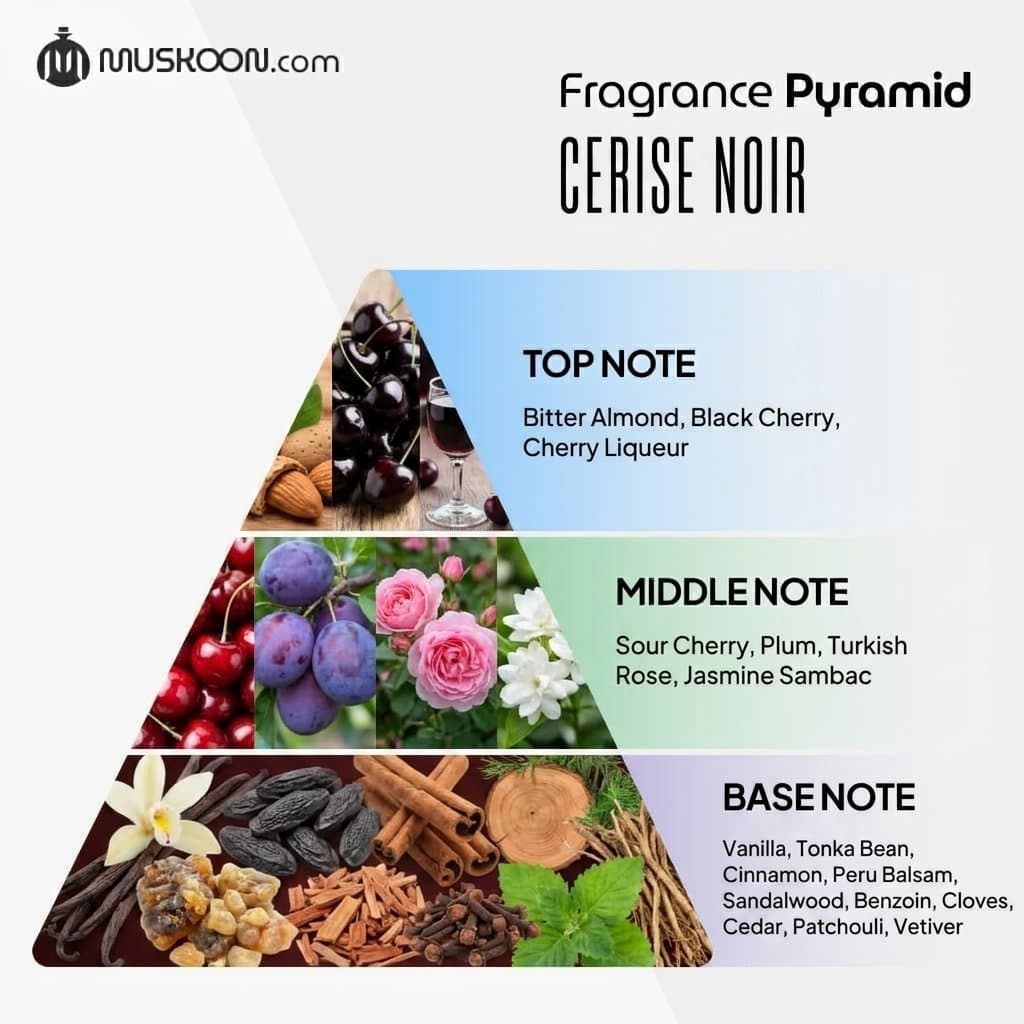


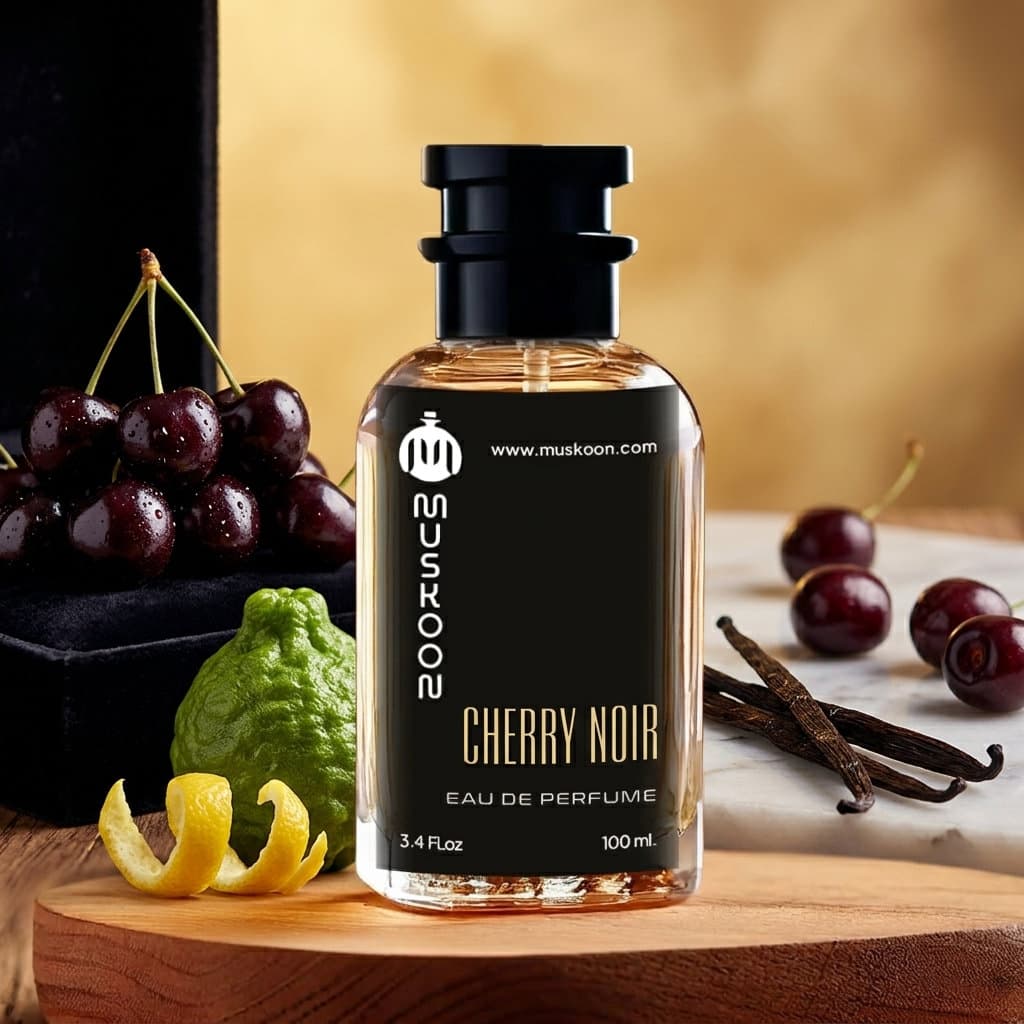
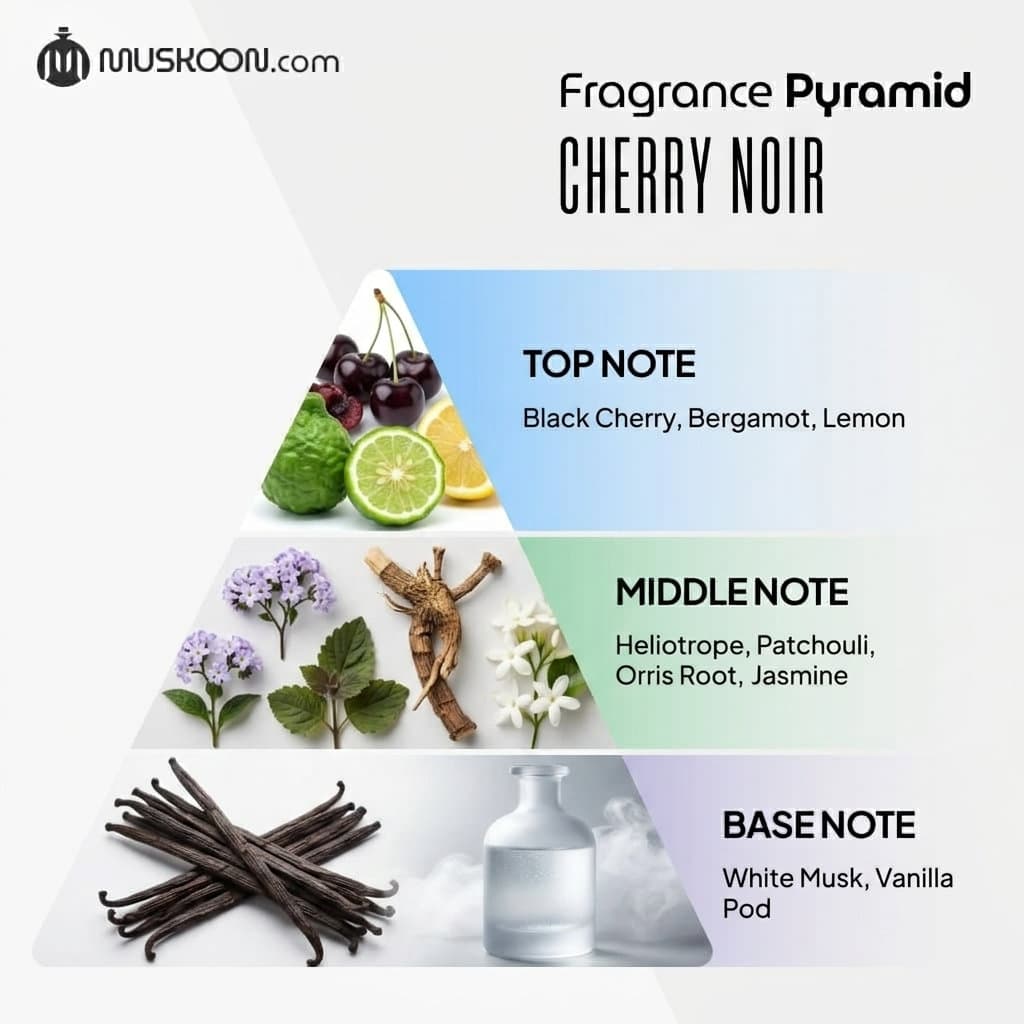
What Defines a Spicy Fragrance?
A spicy fragrance is defined by its spicy scent character within the overall composition. That character can range from warm and rounded to sharp and peppery. Spicy fragrances can also combine with other scent families. A perfume may have woody, floral, amber, fresh or sweet characteristics alongside its spicy identity. The word spicy describes how a fragrance smells. It does not confirm which materials were used to create it.What Do Spicy Perfumes Smell Like?
Spicy perfumes can create several different scent impressions. Some feel warm and rounded; others are dry, sharp or aromatic. These descriptive profiles help explain the range within the family. They are not a universal classification system.Warm Spicy Fragrances
Warm spicy fragrances have rounded, warming scent impressions. Cinnamon-like, nutmeg-like and clove-like characteristics are useful examples. Warm does not necessarily mean sweet, heavy or intense. The overall composition determines how these characteristics come across.Fresh Spicy Fragrances
Fresh spicy fragrances combine spicy character with sharper or fresher impressions. Peppery and ginger-like descriptions can help illustrate this direction. Fresh and warm are descriptive terms, not fixed scientific divisions. A fragrance can express elements of both.Dry or Peppery Fragrances
Dry or peppery profiles can feel crisp, sharp or distinctly peppery. They offer a different expression from rounded, warm spicy impressions. The description refers to the overall scent experience, not necessarily the presence of pepper in the formula.Sweet-Spicy Fragrances
Sweet-spicy fragrances bring spicy character together with sweeter scent impressions. The result depends on the balance within the composition. Sweetness does not automatically make a fragrance gourmand. Gourmand describes an edible or food-inspired scent character.Spicy Fragrance Notes and Scent Profiles
Spicy characteristics can appear alongside several other fragrance directions. These combinations help describe a perfume more precisely.- Woody-spicy: Spicy character alongside woody scent characteristics.
- Fresh-spicy: Spicy character with sharper or fresher impressions.
- Floral-spicy: Spicy character combined with floral characteristics.
- Amber-spicy: Spicy character alongside amber-like qualities.
- Sweet-spicy: Spicy character combined with sweeter impressions.
Cacao Pod
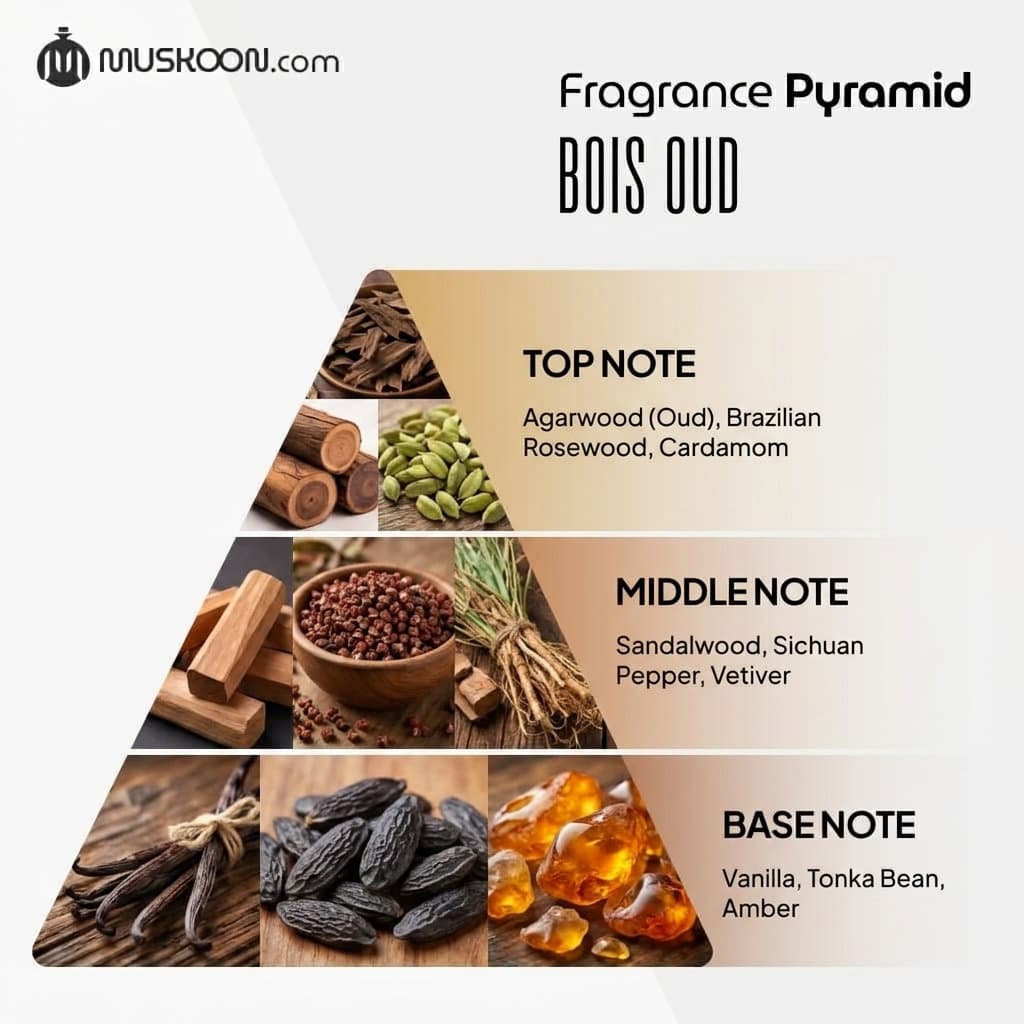
Cardamom
Cinnamon
Coriander
Ginger
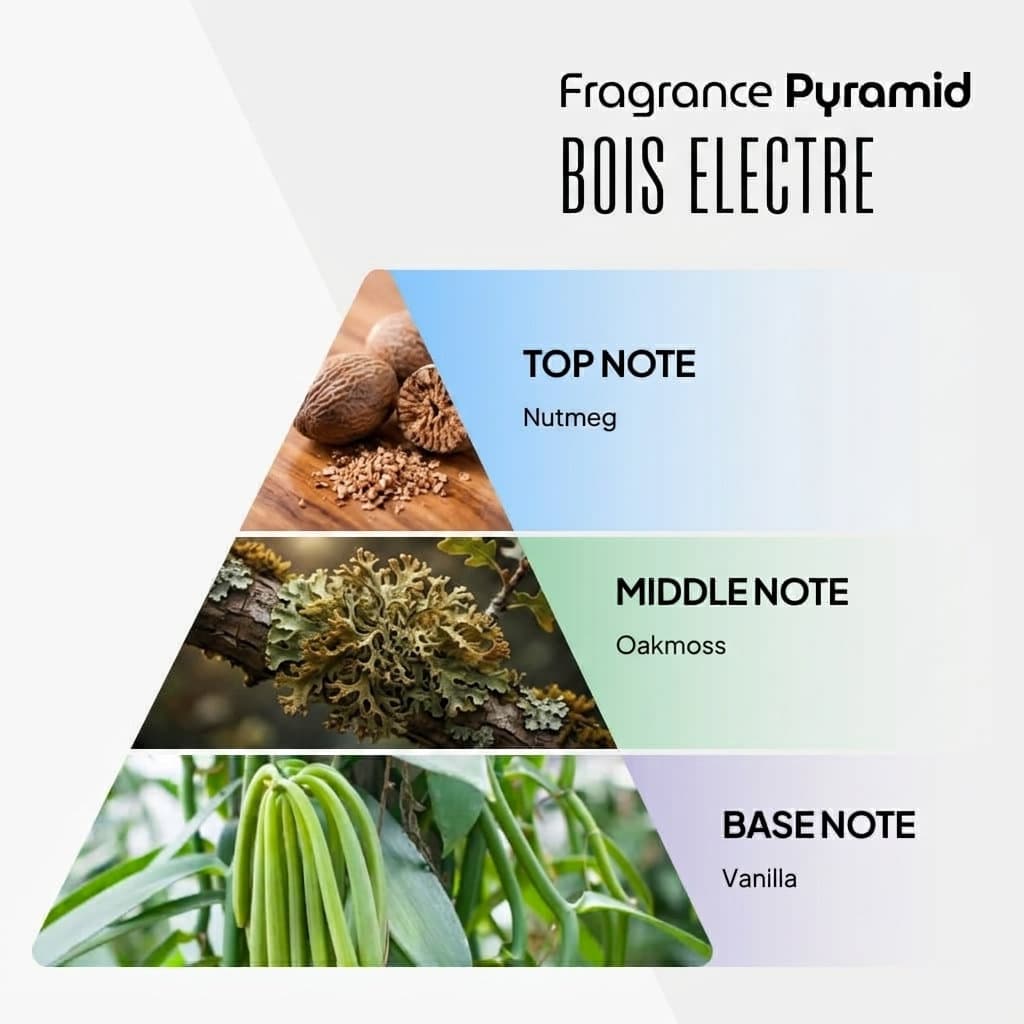
Nutmeg
Pepper
Pink Pepper
Sichuan Pepper
Tonka Bean
Vanilla A perfume can express both spicy and woody characteristics. Its overall identity depends on the complete scent composition.
Spicy Scent Impressions and Actual Ingredients
A perfume described as spicy does not necessarily contain cinnamon, cardamom, ginger, saffron or pepper. It is useful to distinguish four things:- Scent character: The broad spicy identity of the fragrance.
- Perceived impression: The spicy effect experienced in the overall composition.
- Disclosed fragrance note: A note identified in approved product information.
- Formulation material: An actual material used in the perfume.
How to Choose a Spicy Perfume
Start with the kind of spicy impression you prefer.- If you enjoy rounded warmth, explore fragrances with documented warm spicy characteristics.
- If you prefer sharper impressions, look for descriptions that support fresh or dry spicy character.
- If you enjoy woody combinations, compare products with verified woody and spicy characteristics.
- If sweeter profiles interest you, explore products with documented sweet-spicy facets.