


Woody
A woody fragrance has a dominant scent character that evokes dry, creamy, earthy, smoky or other wood-associated impressions. Not all woody perfumes smell alike. Some feel crisp and dry, while others have smoother, earthier or fresher characteristics. Explore the Muskoon Woody collection to compare different expressions of this fragrance family.
What Defines a Woody Fragrance?
A woody fragrance is defined by its overall scent character, not by an ingredient checklist. A perfume can smell woody without containing every material commonly associated with this family. Similarly, one woody-associated note does not automatically make the entire fragrance Woody. The dominant family determines the main collection classification. Other characteristics describe supporting facets. A woody fragrance may also have floral, fruity, spicy, fresh, amber or aromatic qualities. These facets contribute to its overall character without necessarily changing its dominant family.What Do Woody Perfumes Smell Like?
Woody perfumes can create different scent impressions. Their character may feel dry, smooth, earthy, smoky or fresh. These profiles help describe the differences visitors may encounter. They are descriptive groupings, not formal or universal subfamilies.- Dry woody: Crisp, dry and sometimes pencil-like.
- Creamy woody: Smooth, rounded and soft.
- Earthy woody: Root-like, green or soil-like.
- Smoky woody: Smoky, resinous or leathery.
- Fresh woody: Woody character alongside citrus, green or aromatic facets.
Woody Fragrance Notes and Scent Profiles
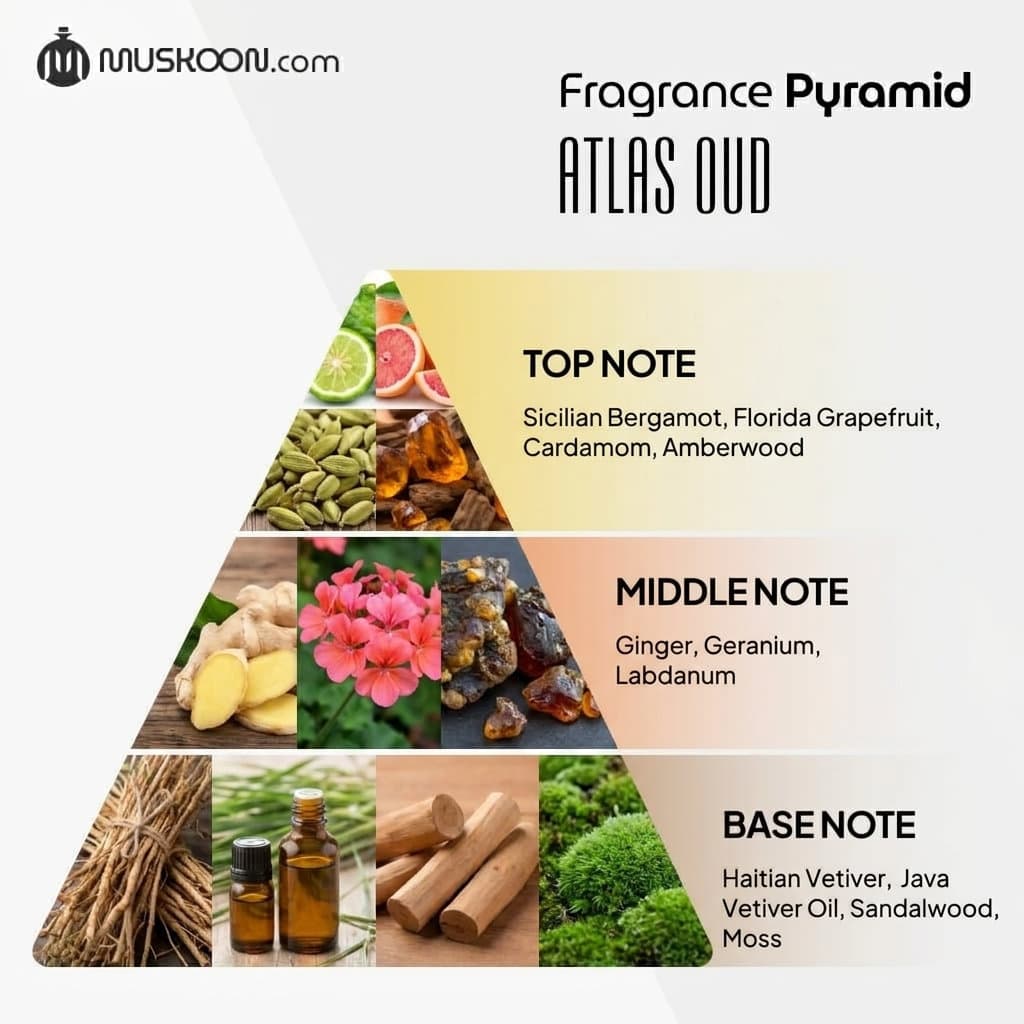
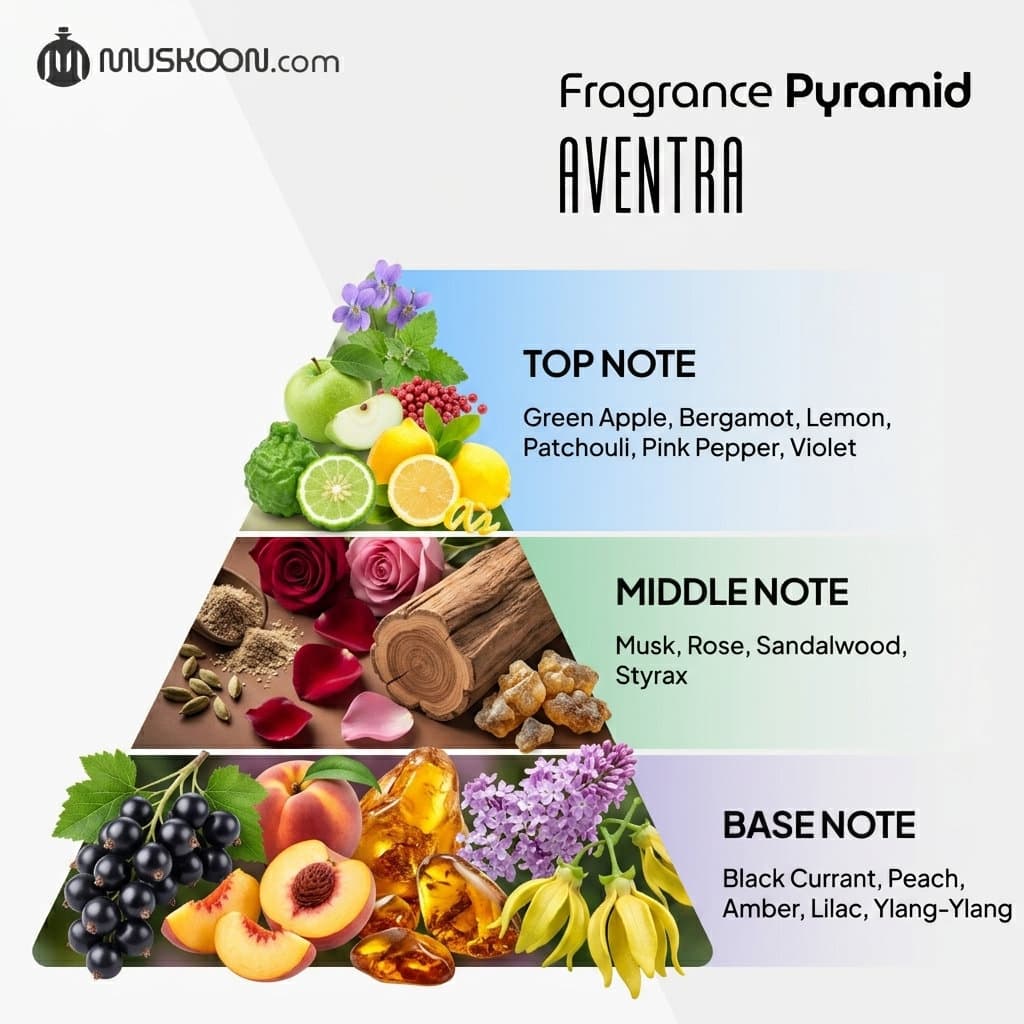
Different materials are associated with woody scent descriptions. Their botanical origins and scent characteristics are not always the same. For example, sandalwood comes from wood, while vetiver comes from roots. Both can contribute woody-associated impressions in fragrance descriptions. Some useful educational examples include:- Sandalwood: Commonly associated with creamy and smooth impressions.
- Cedarwood: Often described through dry and crisp characteristics.
- Vetiver: Associated with earthy, root-like and sometimes smoky impressions.
- Patchouli: Can have earthy, leafy and woody characteristics.
- Oud or agarwood: Associated with woody, resinous, smoky or leathery impressions.
- Guaiac wood: Associated with woody, smoky or balsamic characteristics.
Agarwood
Birch
Cedar
Driftwood
Fir
Guaiac Wood
Oakmoss
Patchouli
Pine Tree
Sandalwood
Vetiver
Amberwood
Elemi
Incense
Labdanum
Scent Character, Notes and Formulation Materials
Four concepts should remain distinct when describing a woody perfume:- Scent character: How the finished fragrance smells overall.
- Fragrance note: A named element in the scent description.
- Formulation material: A material actually used in the formula.
- Botanical origin: The plant part or source from which a material comes.
How to Choose a Woody Perfume
Start with the scent characteristics you prefer.- If crisp, dry impressions appeal to you, explore documented dry woody profiles.
- If you prefer smoother impressions, compare products with creamy woody descriptions.
- If earthy or green characteristics interest you, explore verified earthy woody profiles.
- If you enjoy smoky or resinous facets, look for products whose descriptions support them.
- If you prefer fresher characteristics, compare woody fragrances with documented citrus, green or aromatic facets.