


Floral
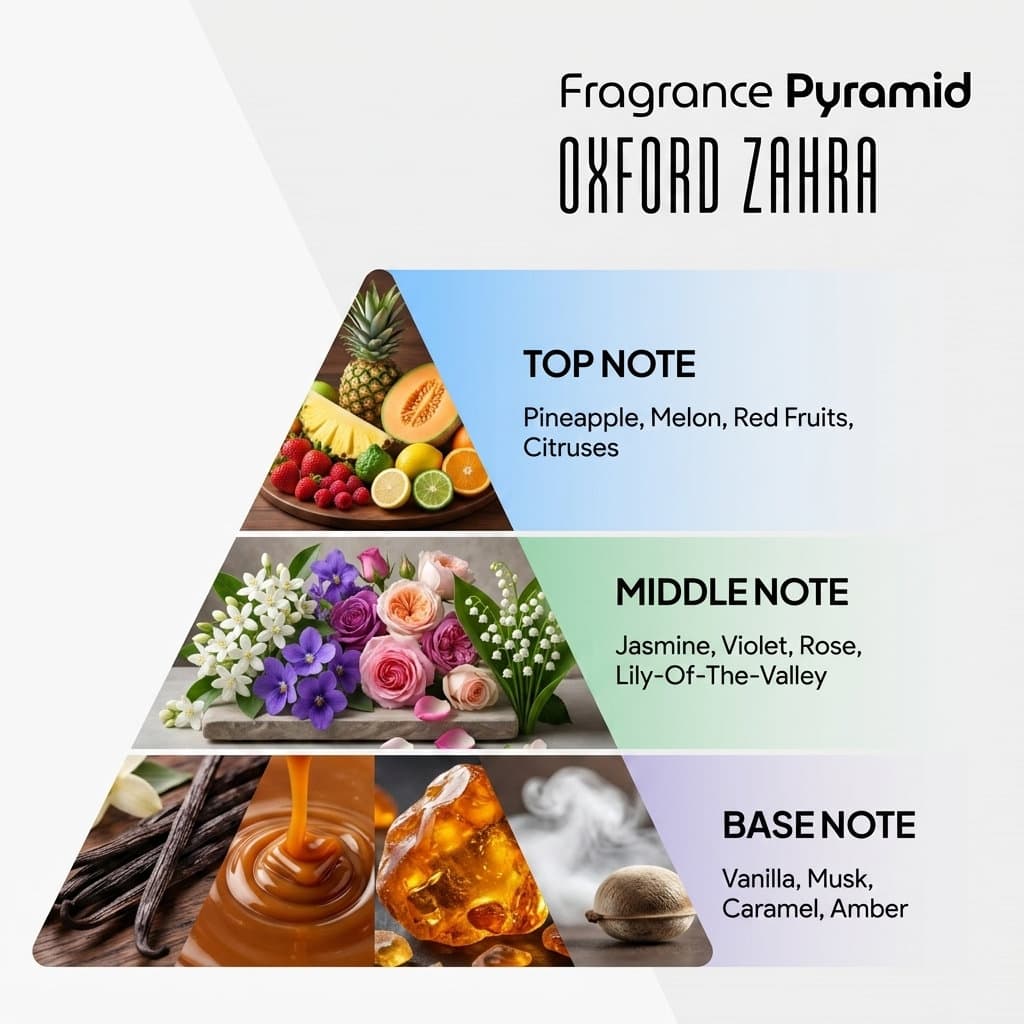
Floral fragrances are perfumes whose overall scent character is shaped by floral impressions. Their profiles can range from fresh and green to powdery, rich or warm. Supporting notes influence how each composition smells, so floral does not describe one single scent.
Explore the collection to compare different floral scent profiles and discover a fragrance that reflects your preferences.
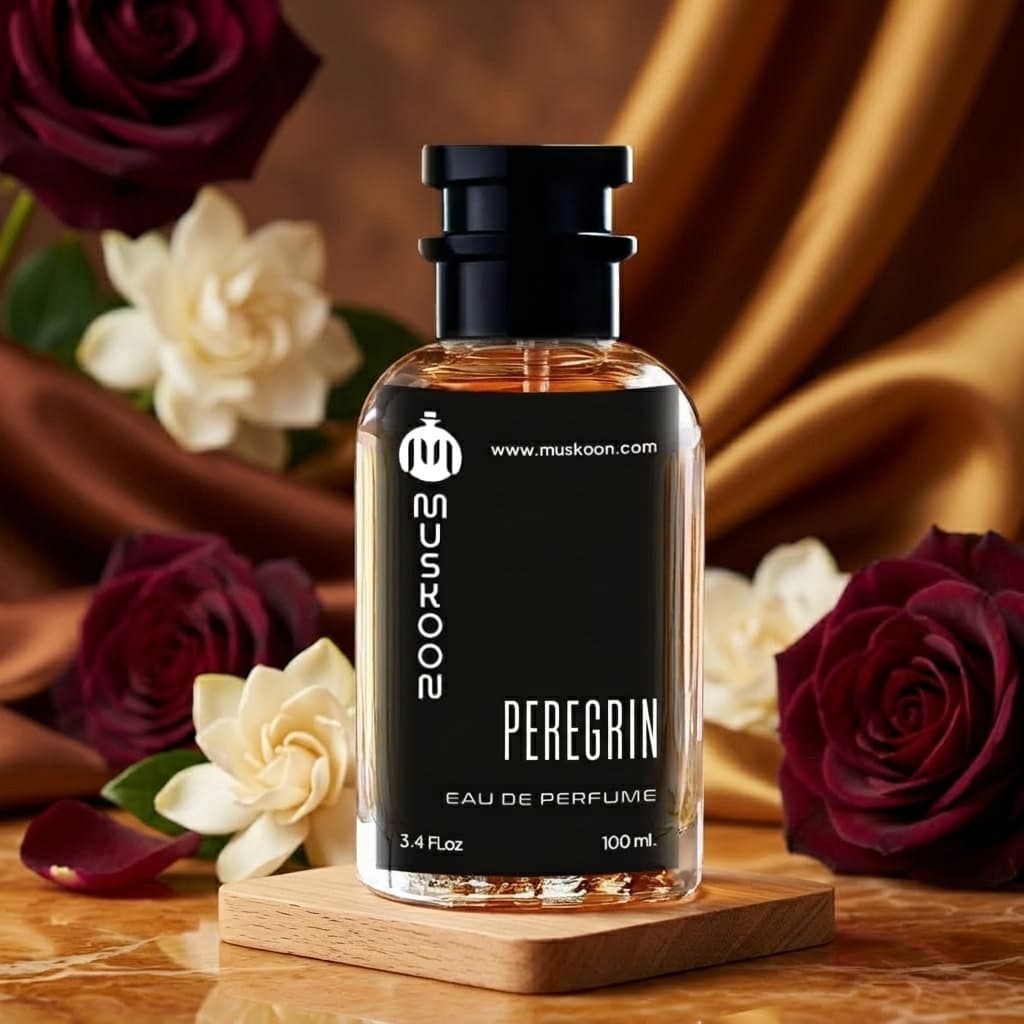
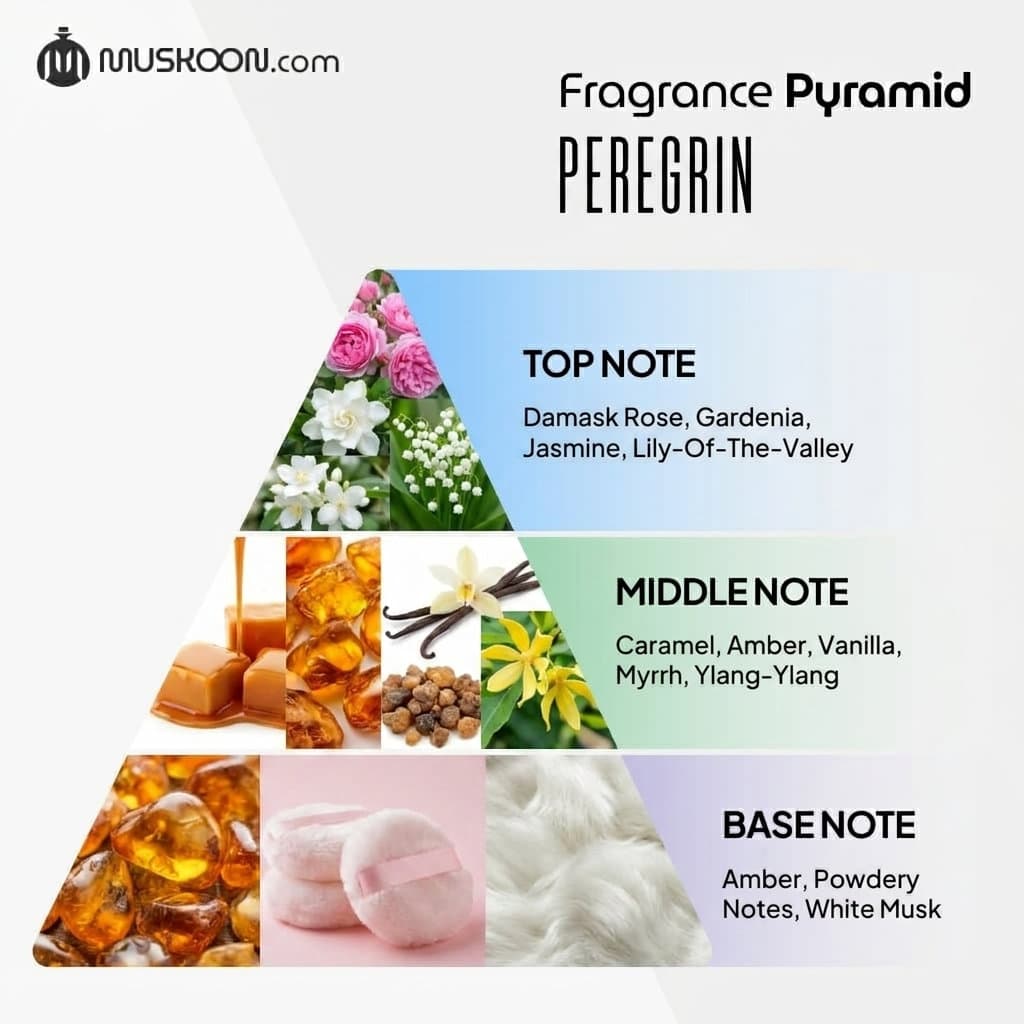
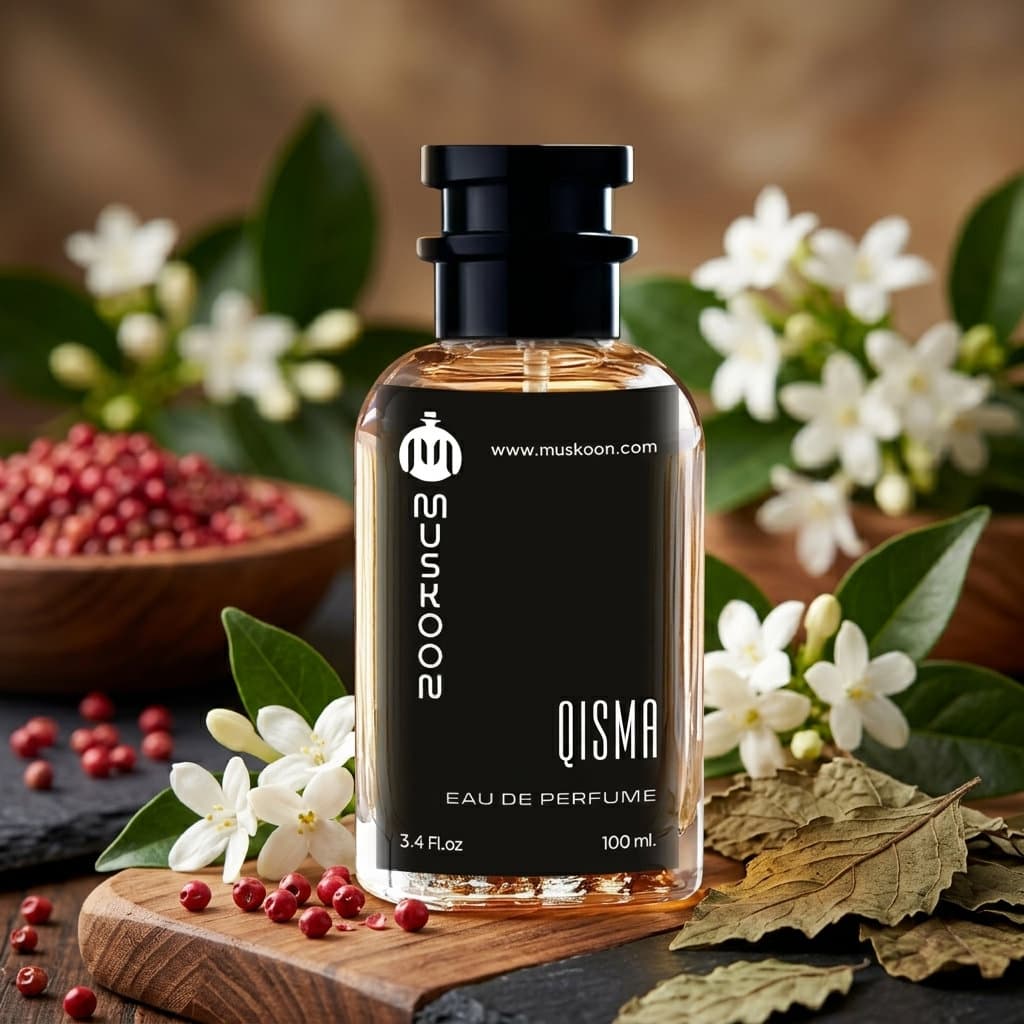
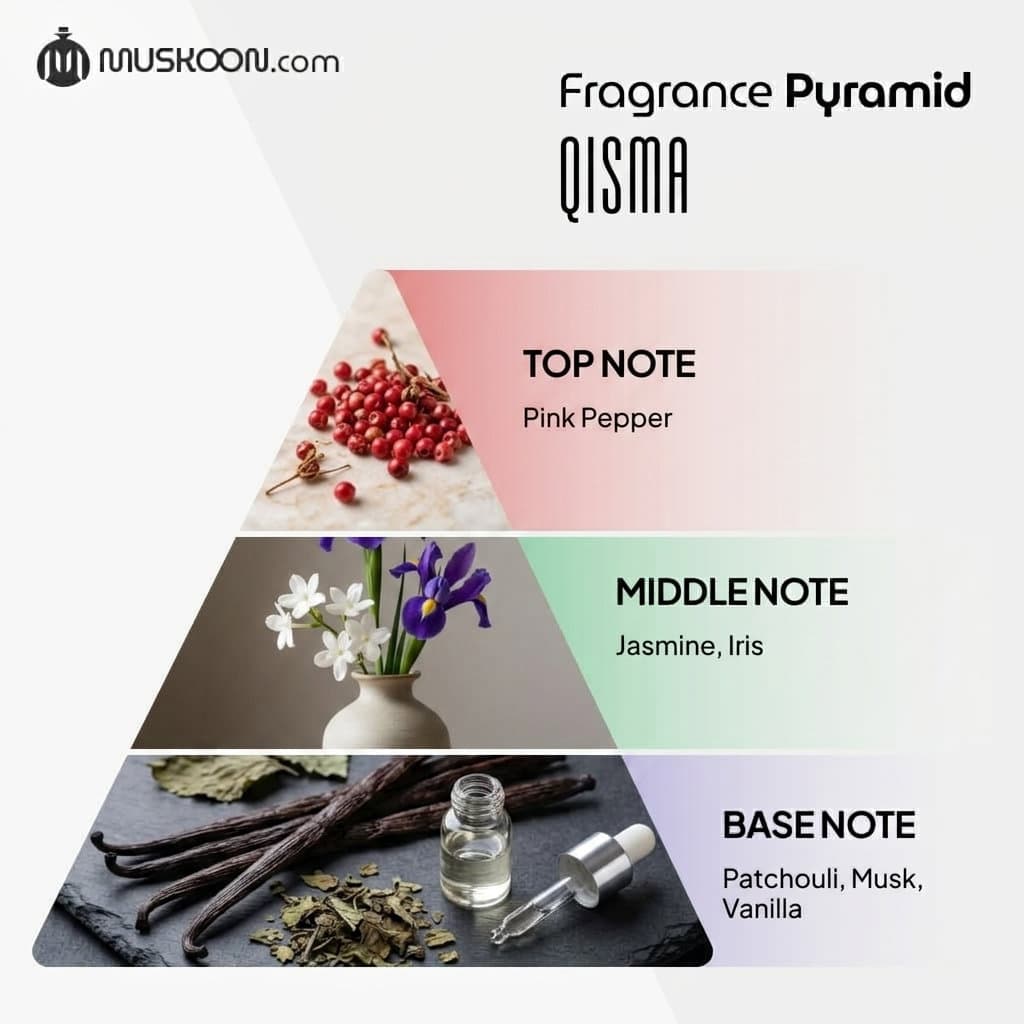
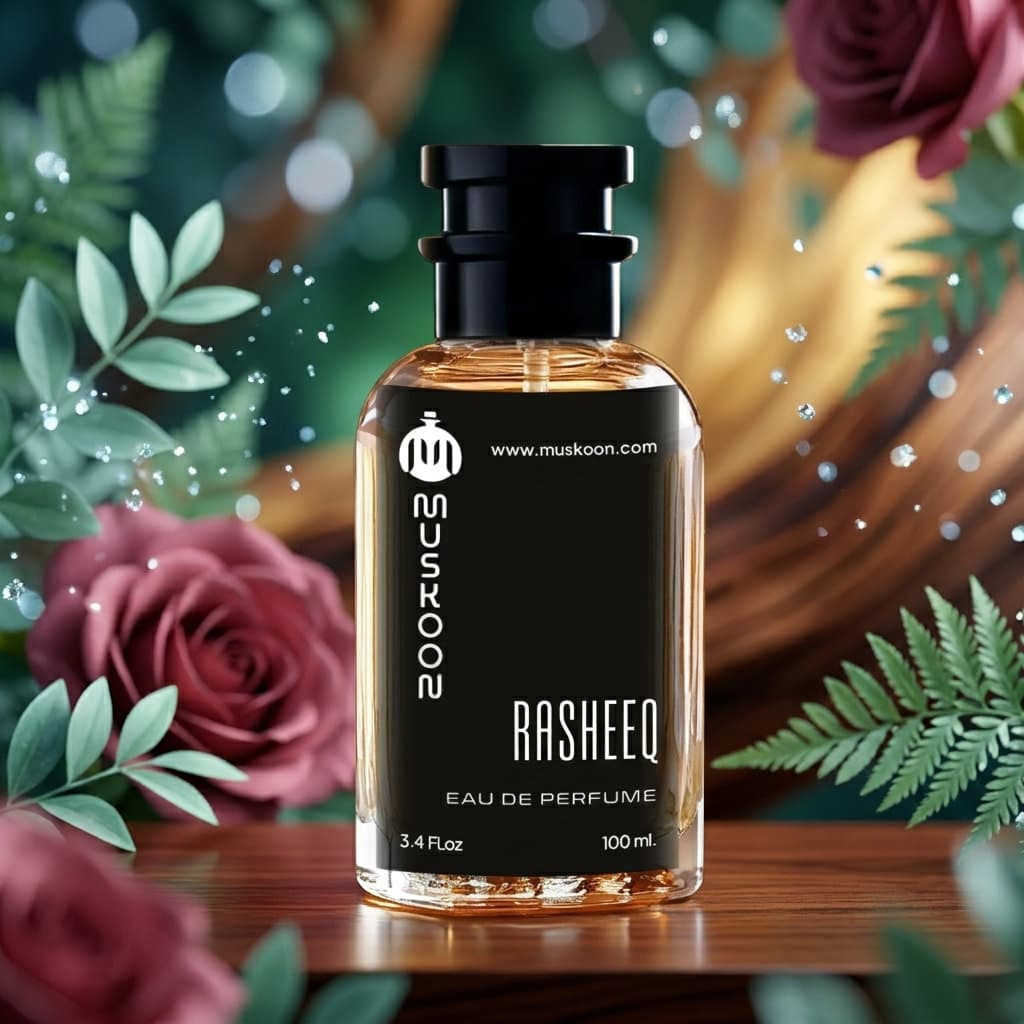
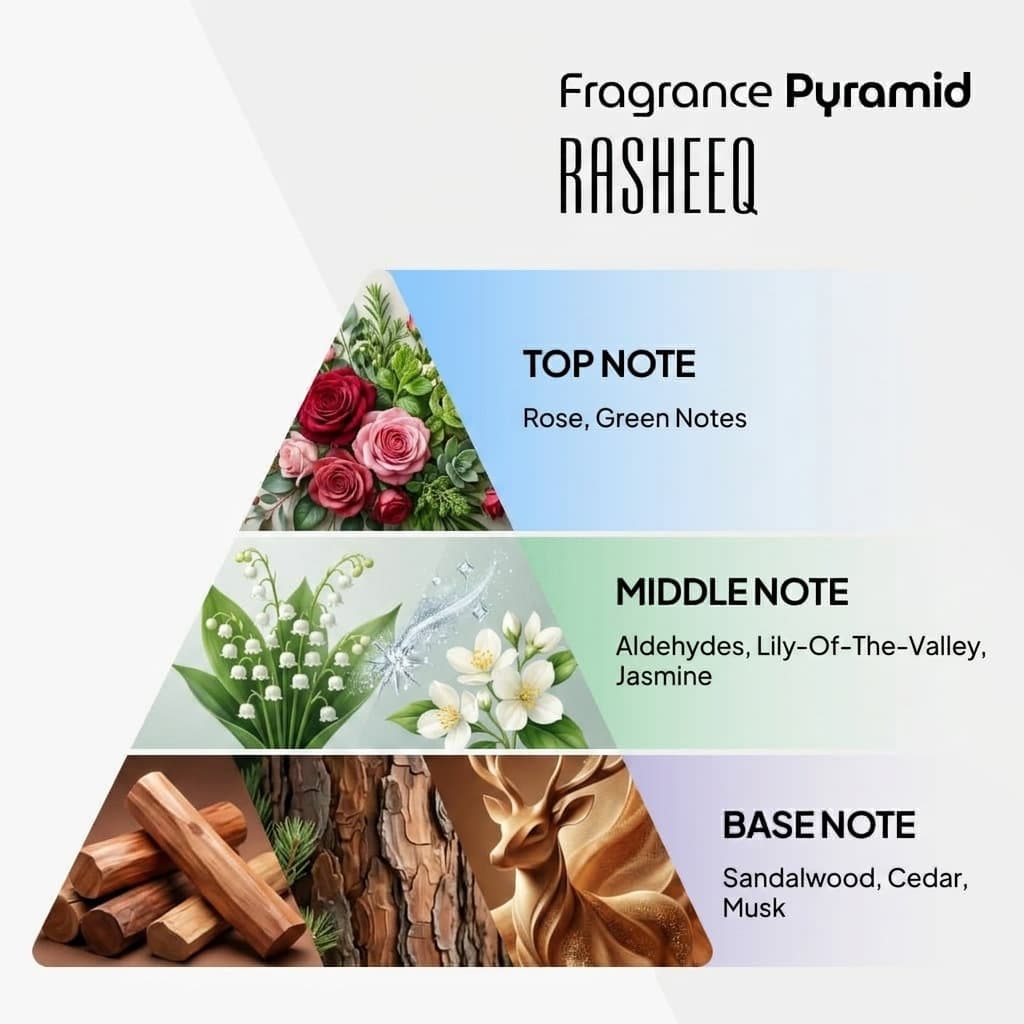
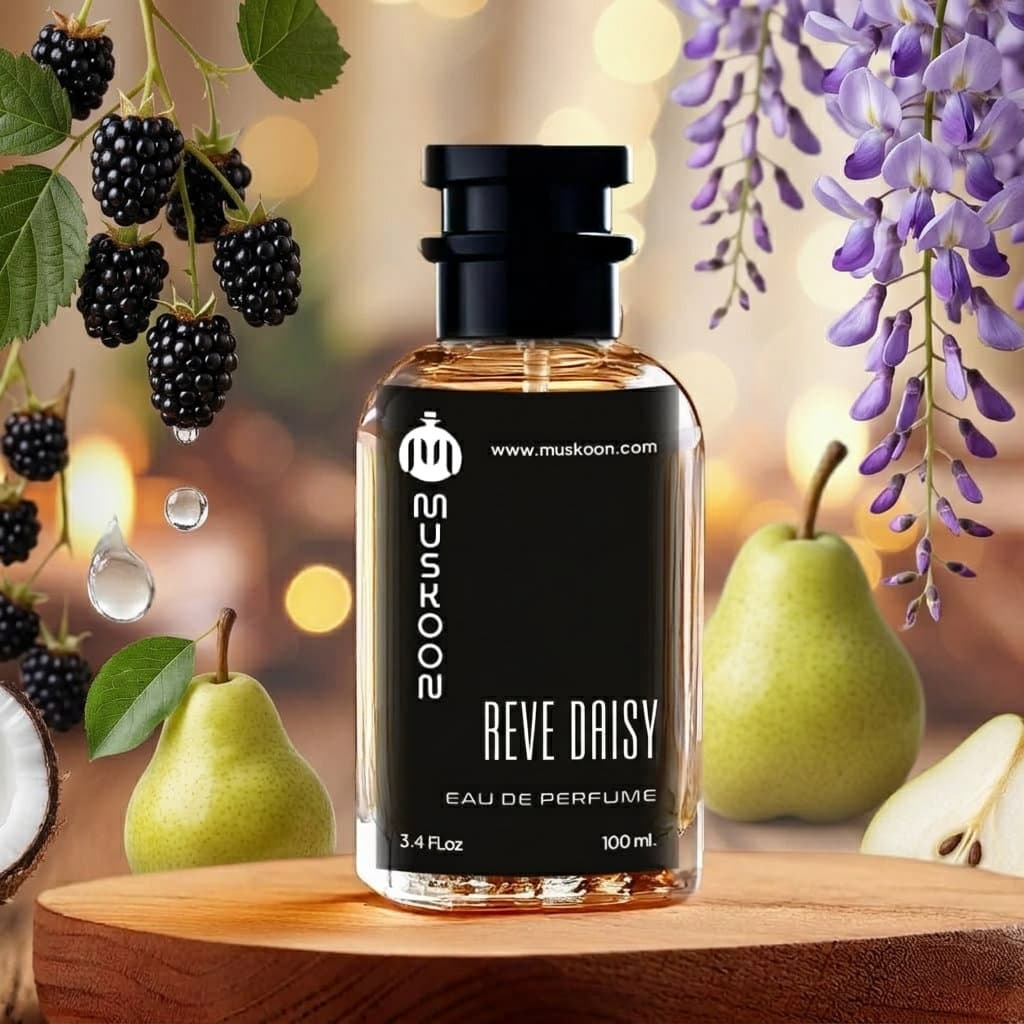
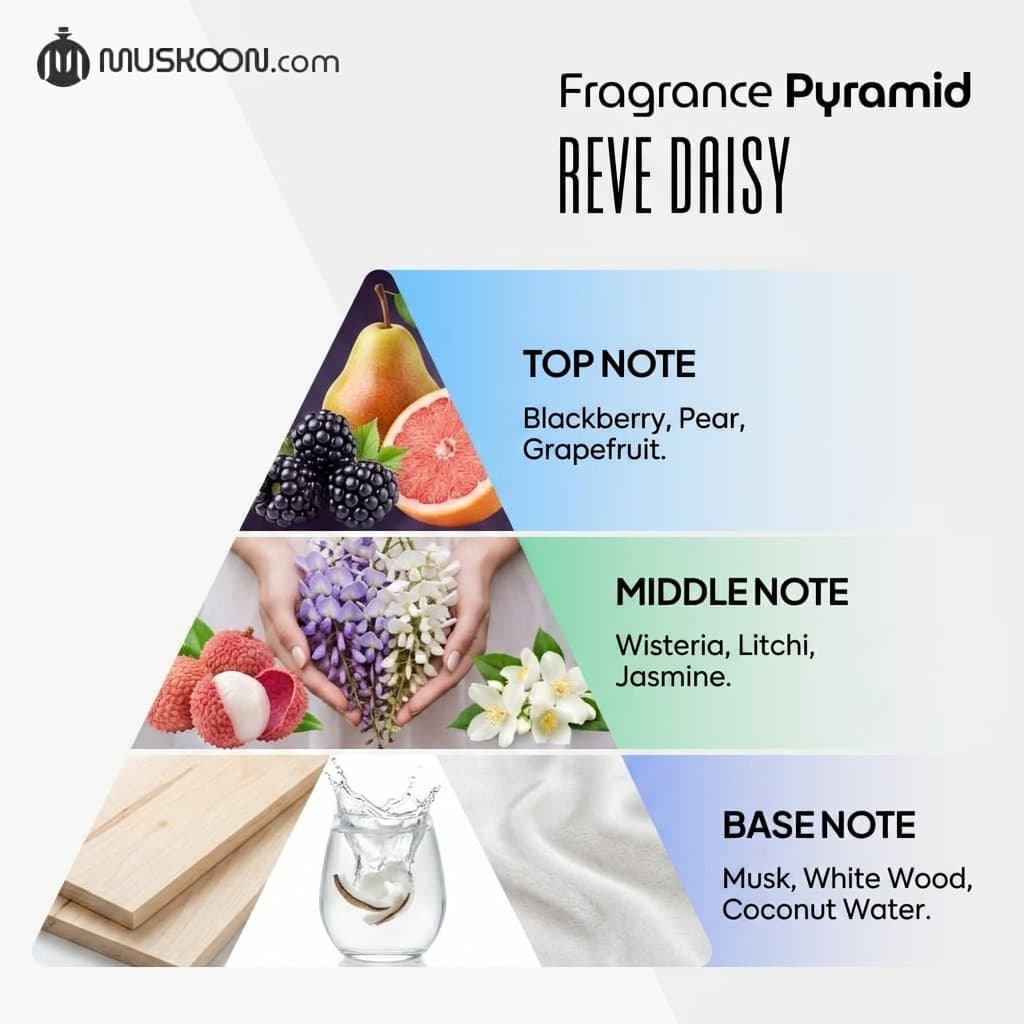
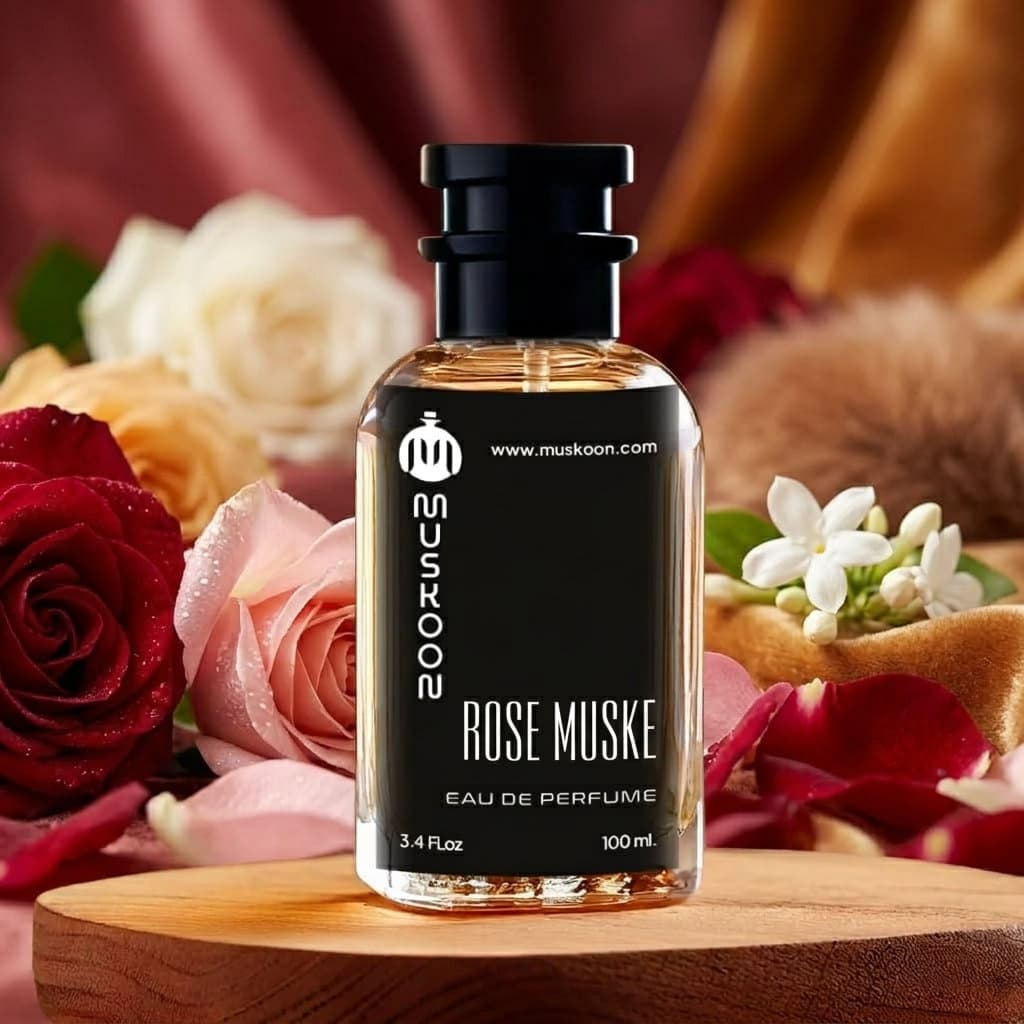
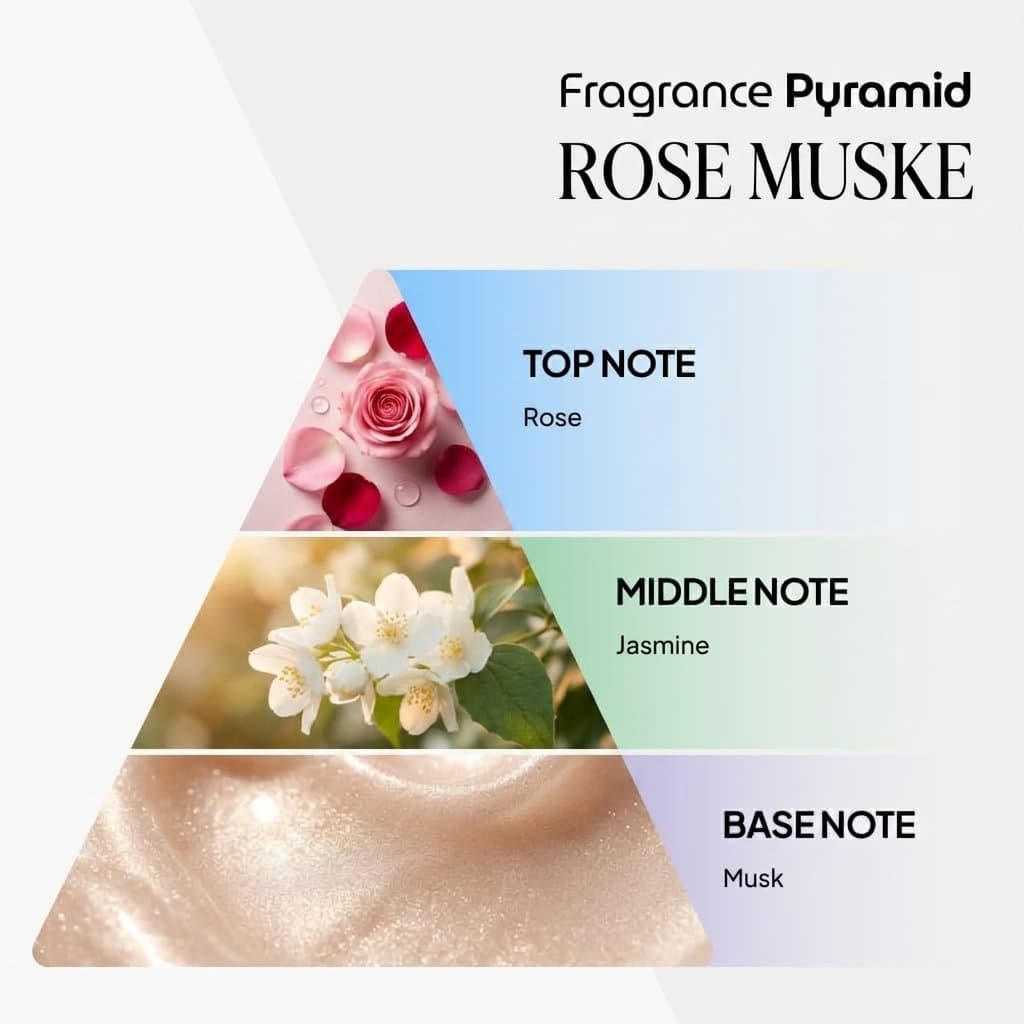
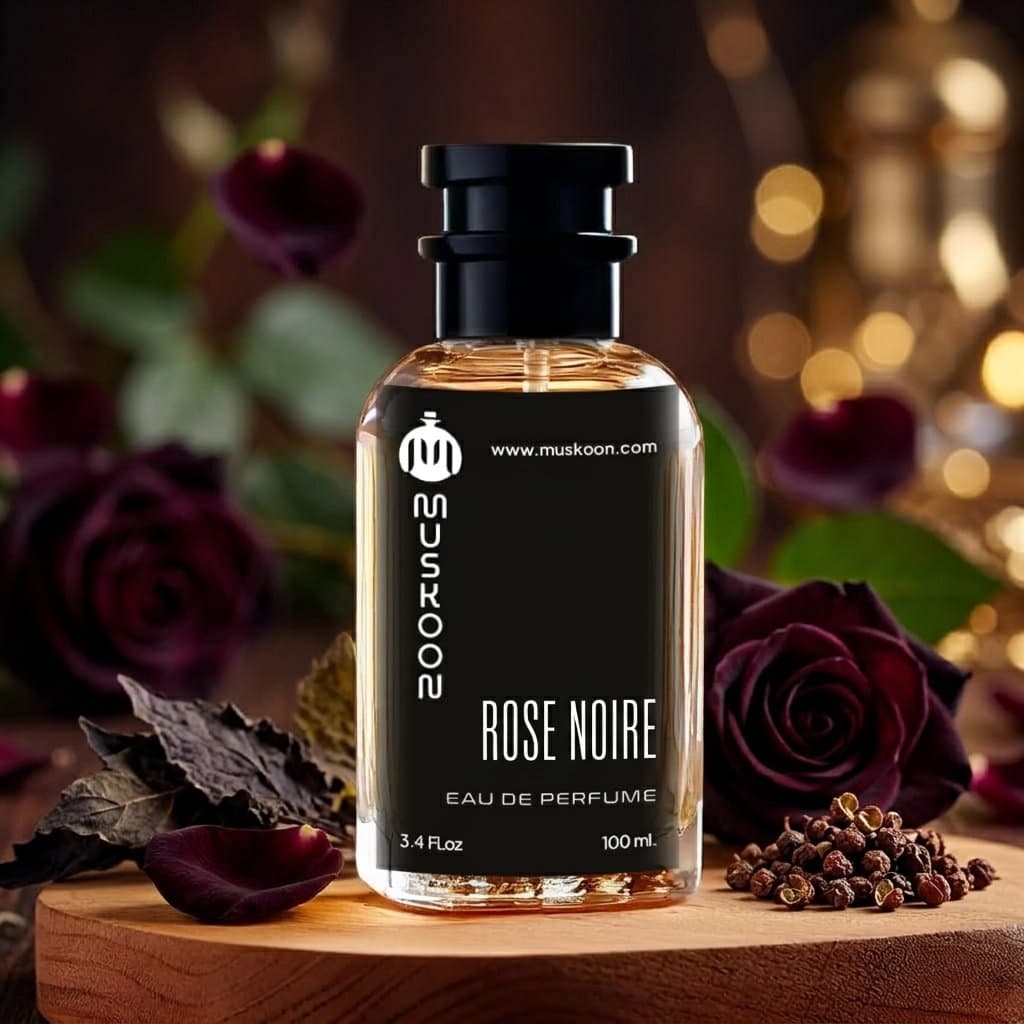
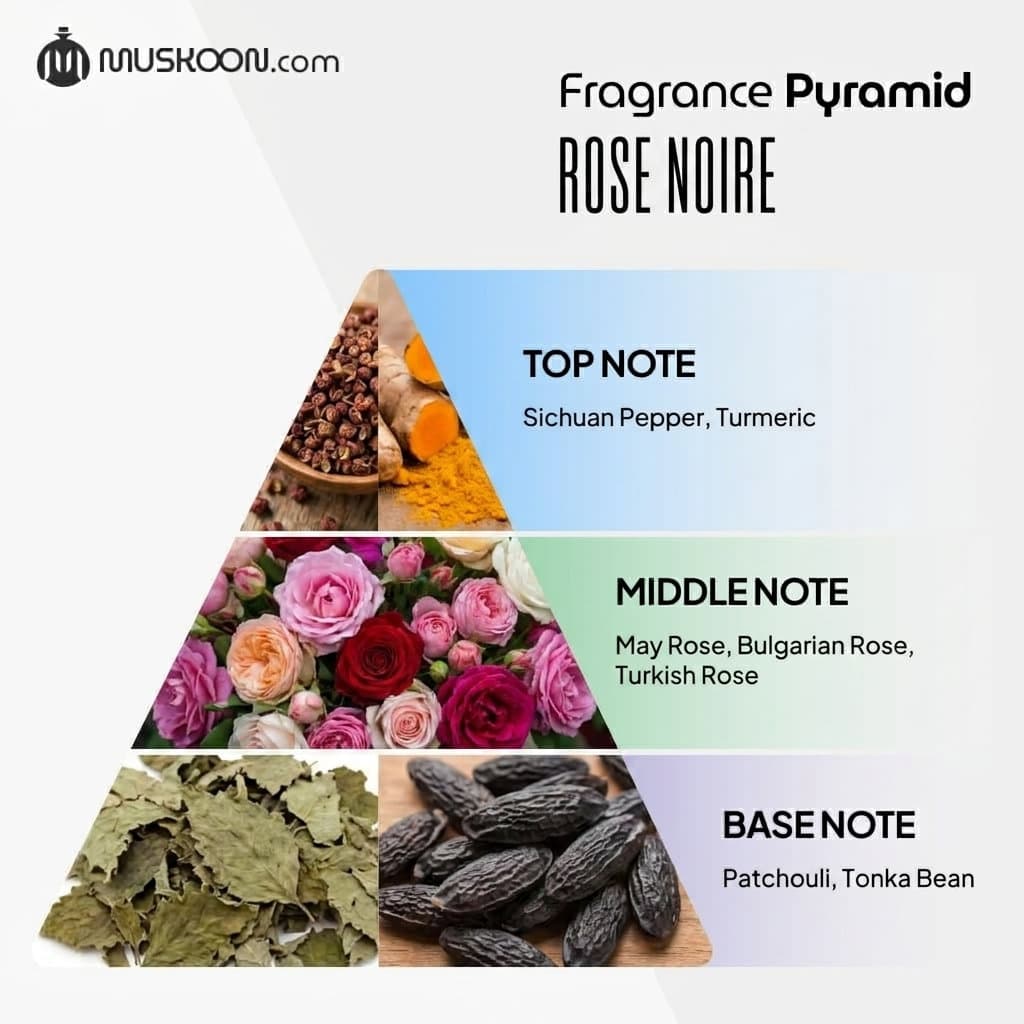
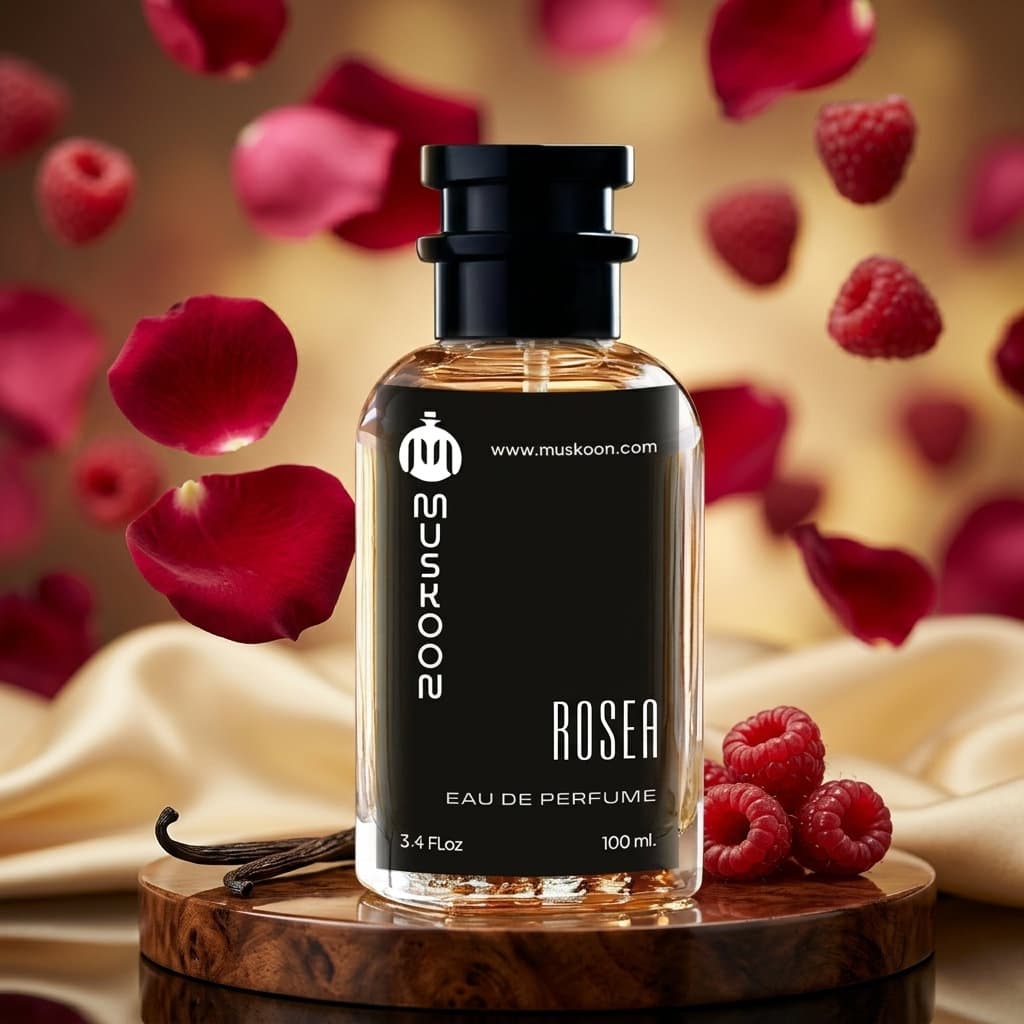
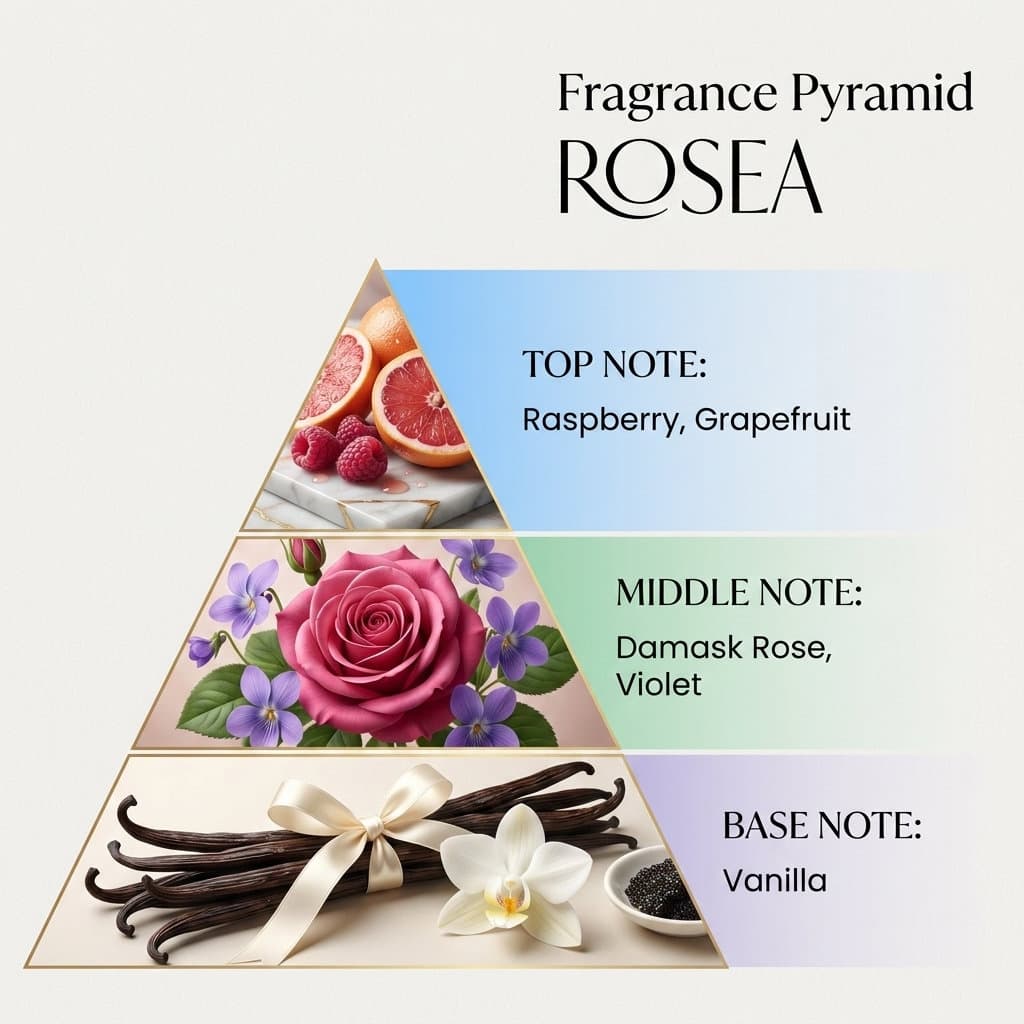
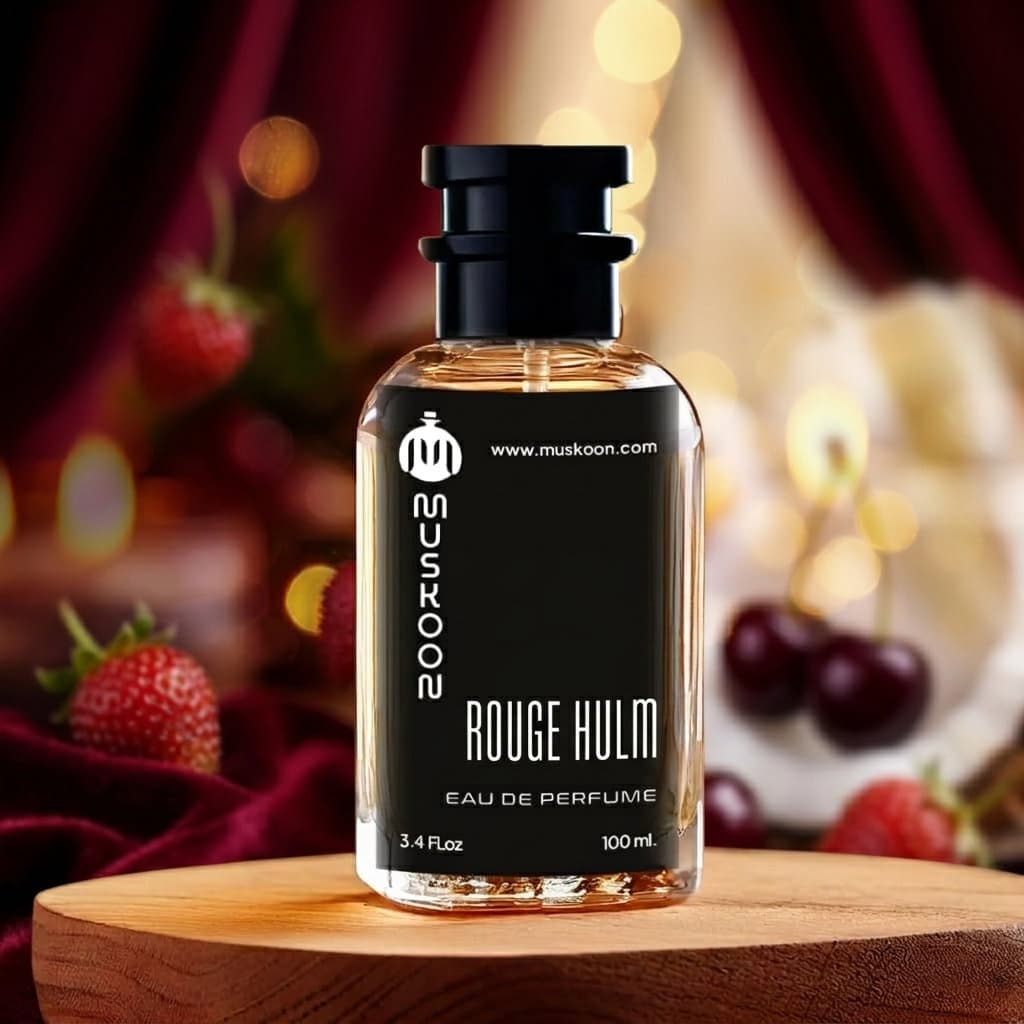
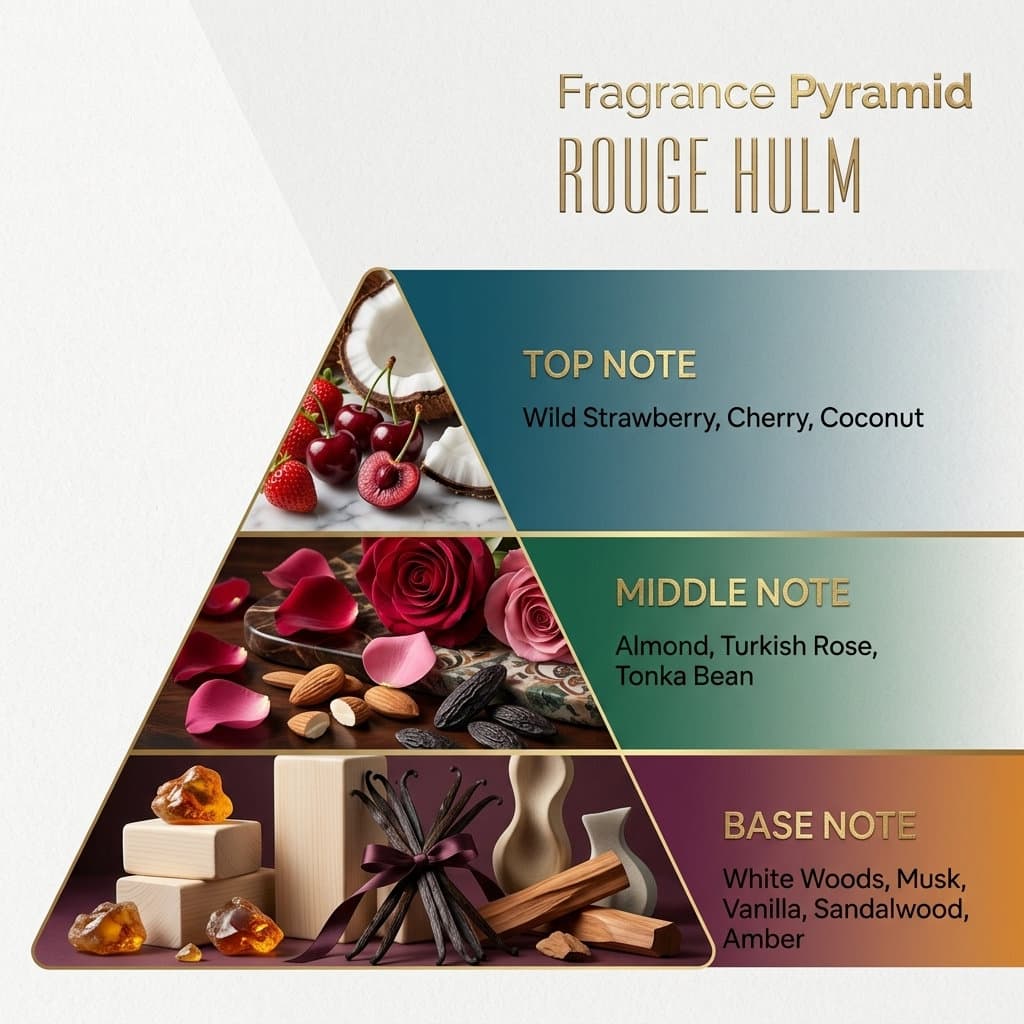
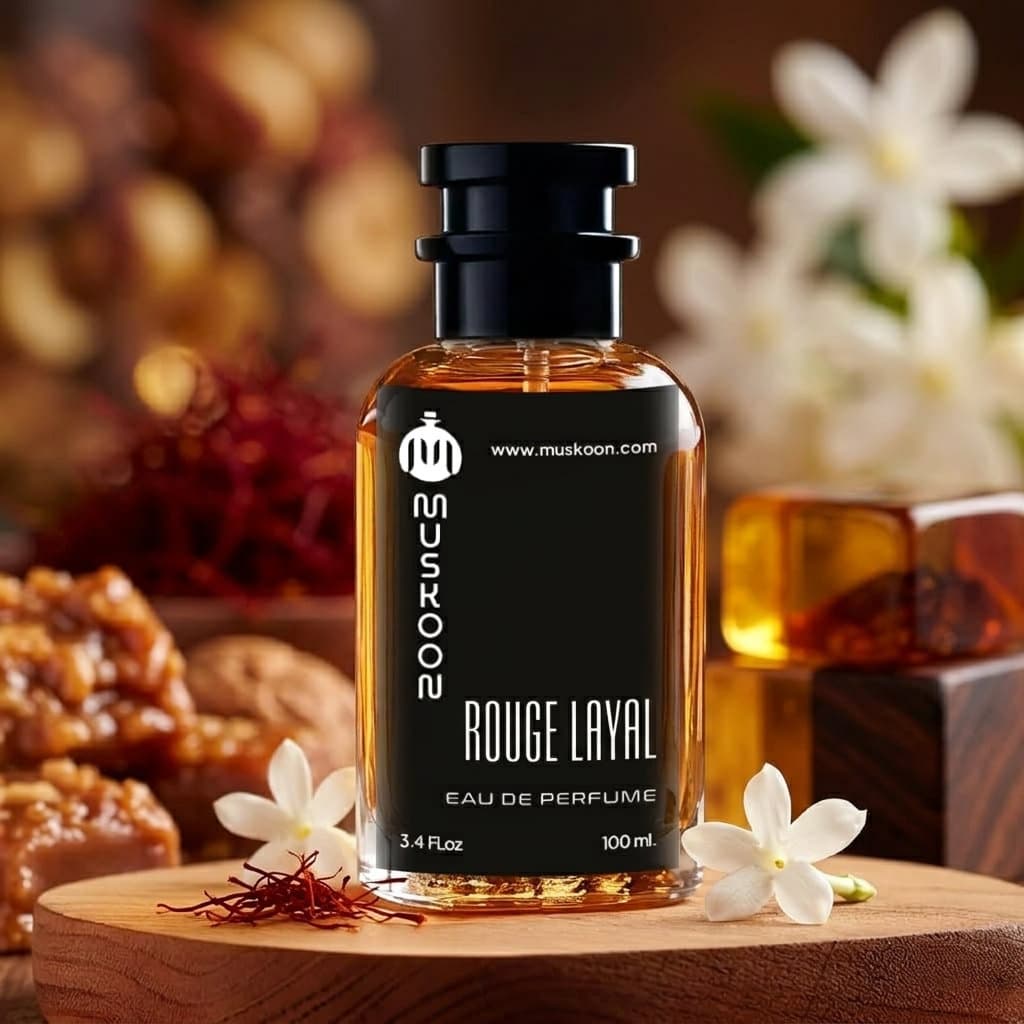
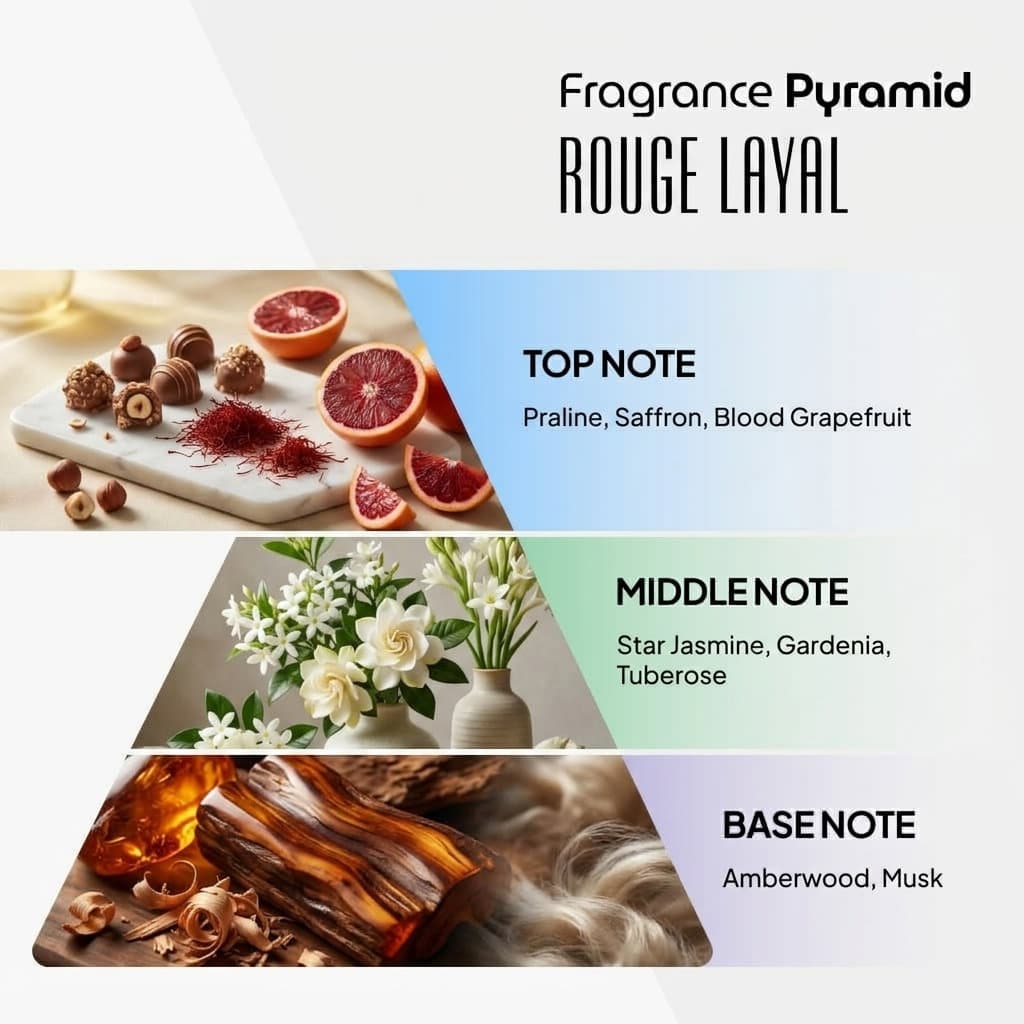
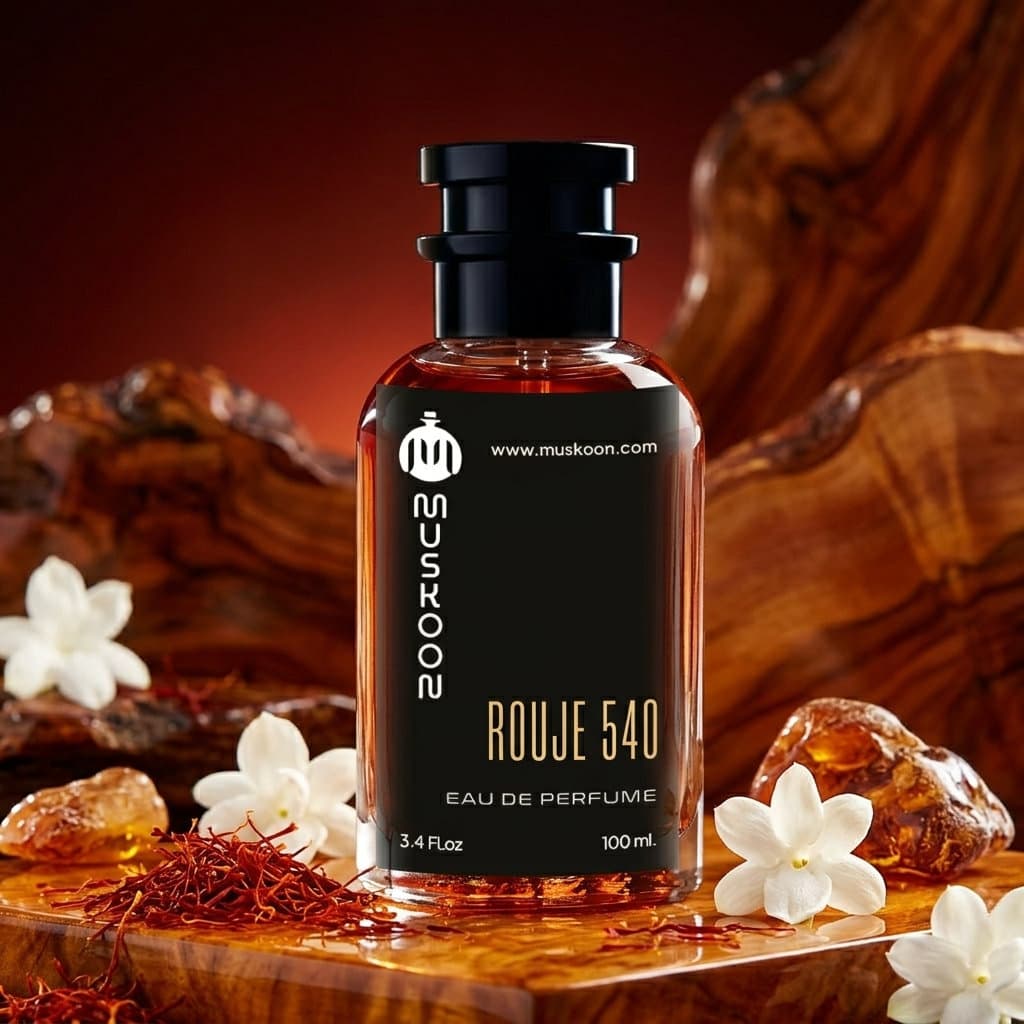
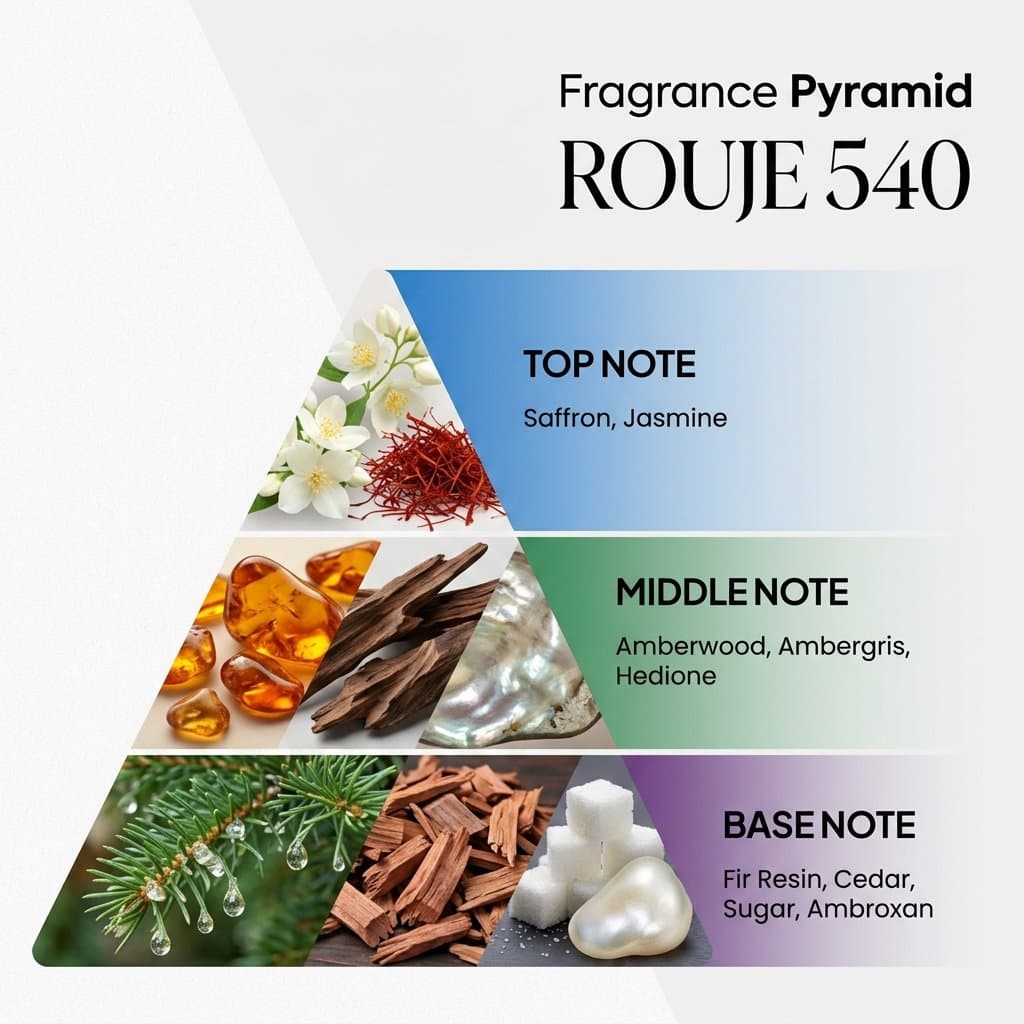
What Defines a Floral Fragrance?
A floral fragrance is defined by the overall floral character of its composition. Floral notes contribute to this character, while supporting notes influence the complete scent profile. A fragrance does not become floral simply because it contains one flower note. The overall composition determines its character. Floral fragrances are not limited to sweet, powdery or delicate profiles. Their scent direction depends on how the different elements come together.What Do Floral Perfumes Smell Like?
Floral perfumes can express several different scent directions. Some have fresh or green impressions, while others lean towards powdery, rich or warm characteristics. Common descriptive directions include:- Fresh floral: A lighter, fresher floral impression.
- Green floral: Floral character accompanied by leafy or green facets.
- Powdery floral: A soft, powder-like scent impression.
- Rich floral: A fuller and more pronounced floral character.
- Warm floral: Floral character accompanied by warmer scent facets.
- Floral-fruity: Floral impressions combined with fruity characteristics.