


Gourmand
The Gourmand fragrance family brings together perfumes with edible or food-inspired scent characteristics. These fragrances can evoke creamy, confectionery, chocolate-like, coffee-like or nutty impressions. Gourmand does not simply mean sweet. Its defining character comes from an edible or food-inspired scent impression, which can combine with fruity, floral, woody or spicy facets. Explore the collection to understand different gourmand profiles and discover a fragrance that matches your preferences.
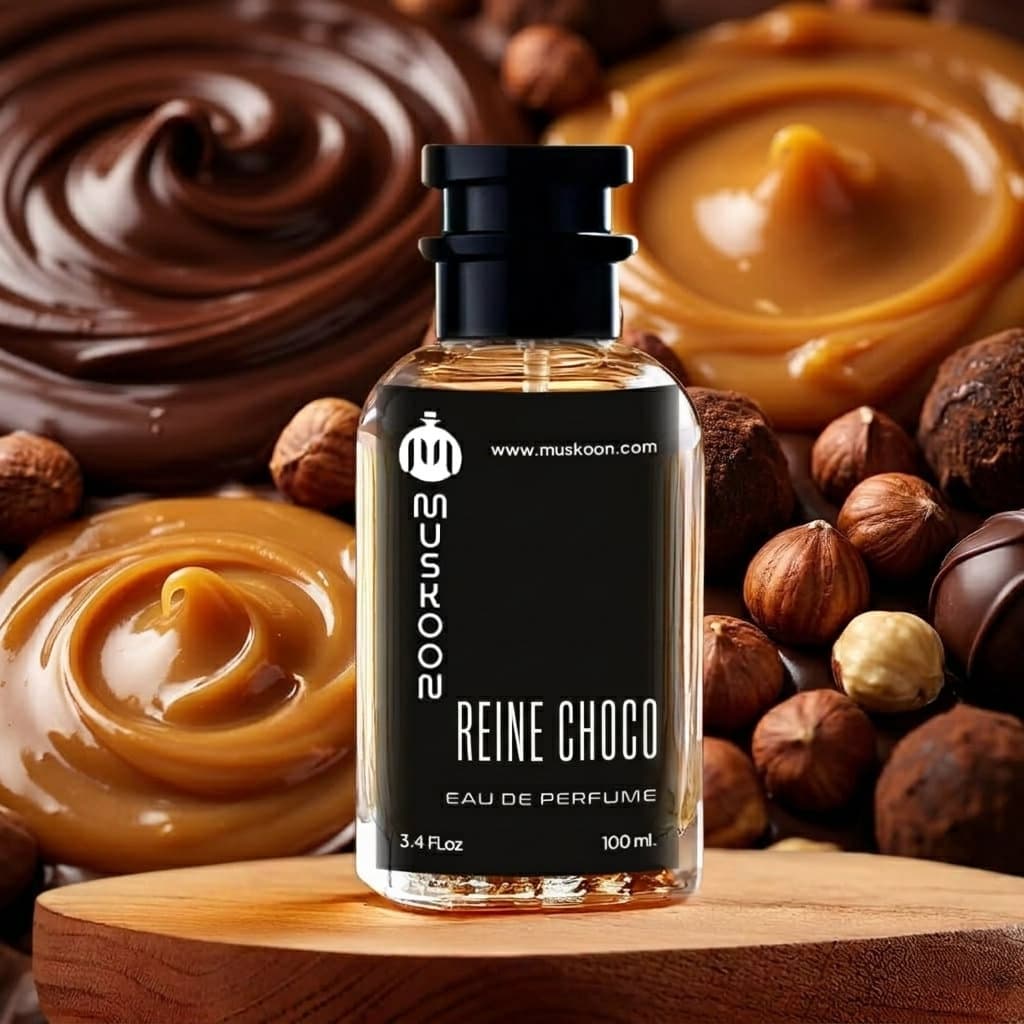
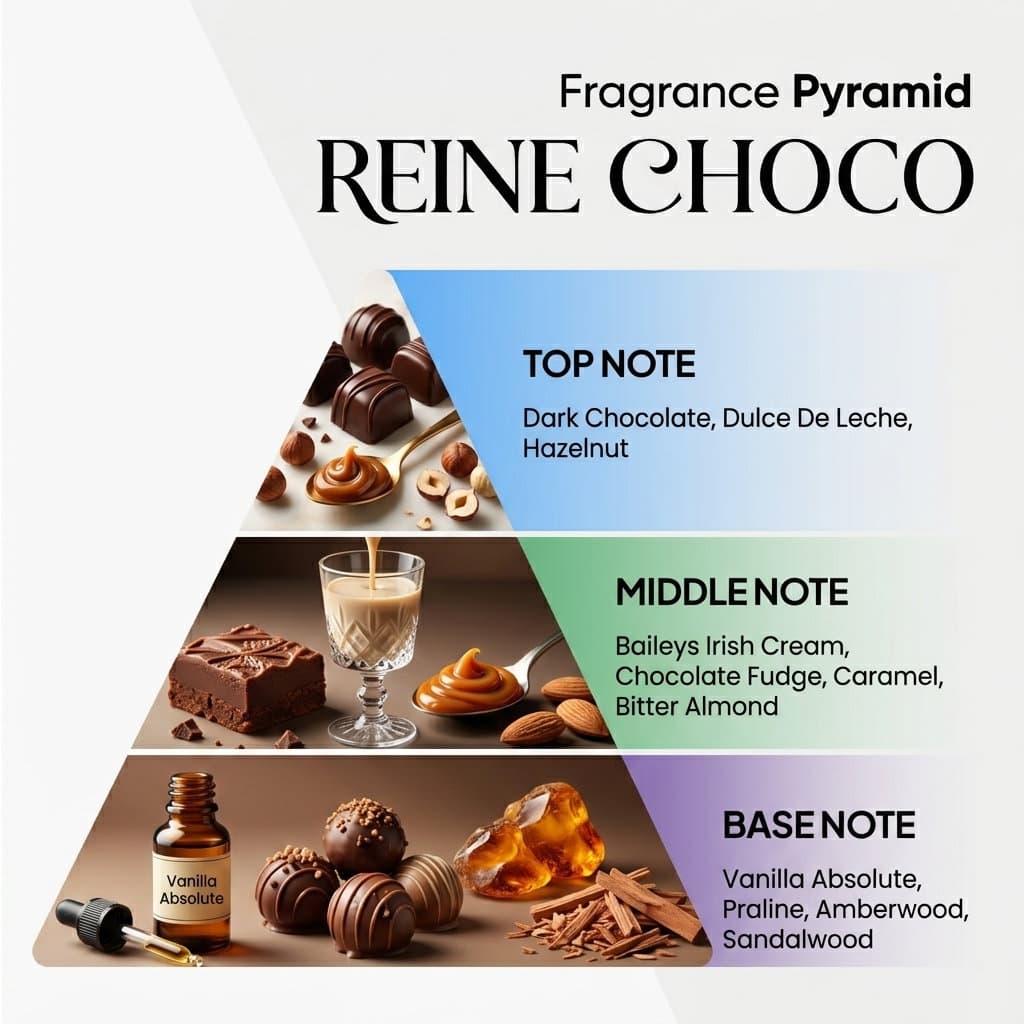
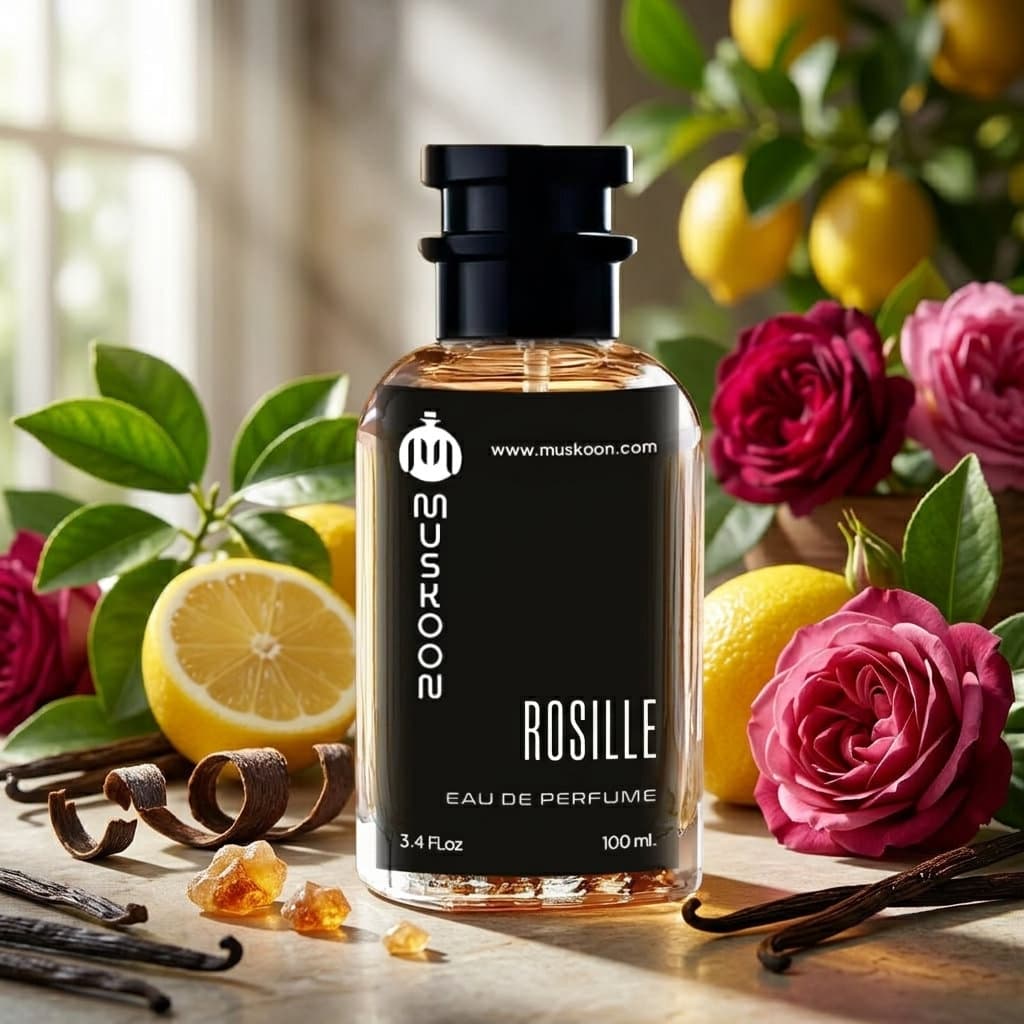
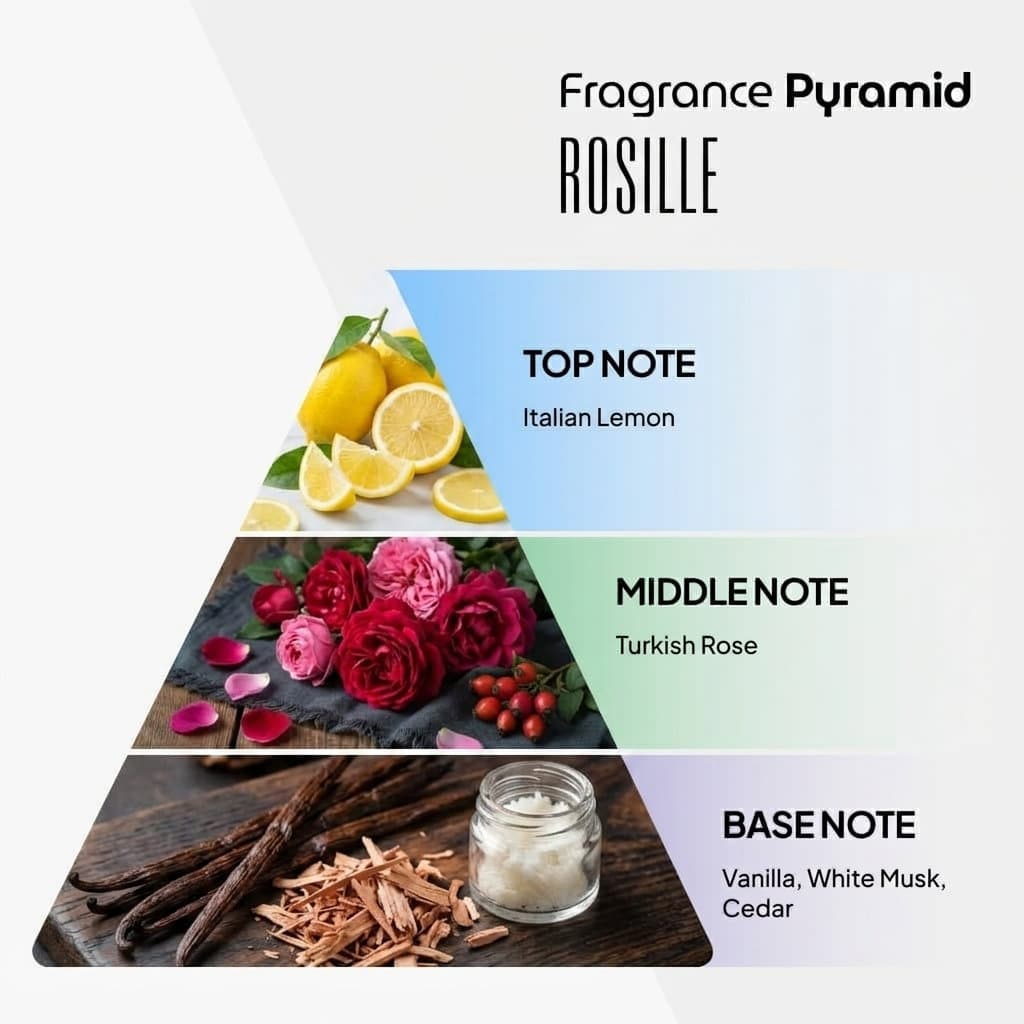
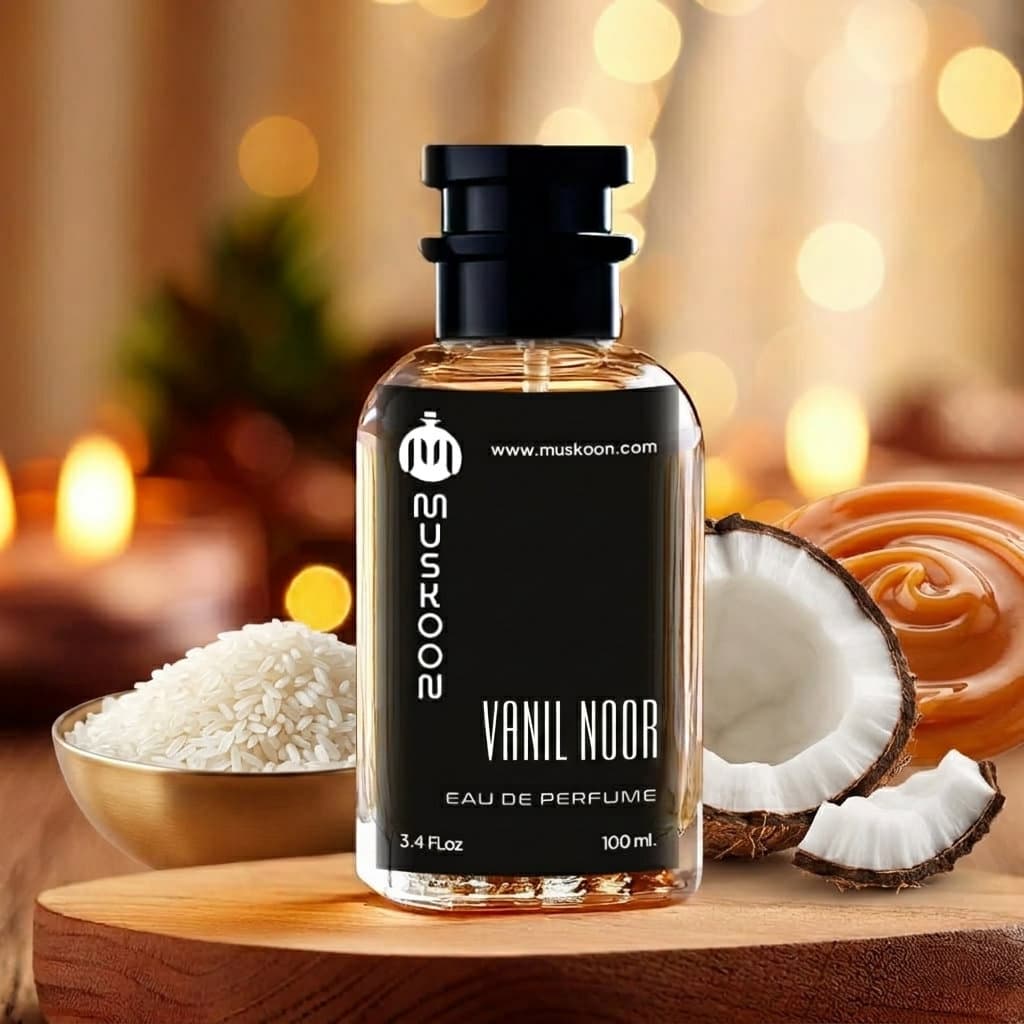
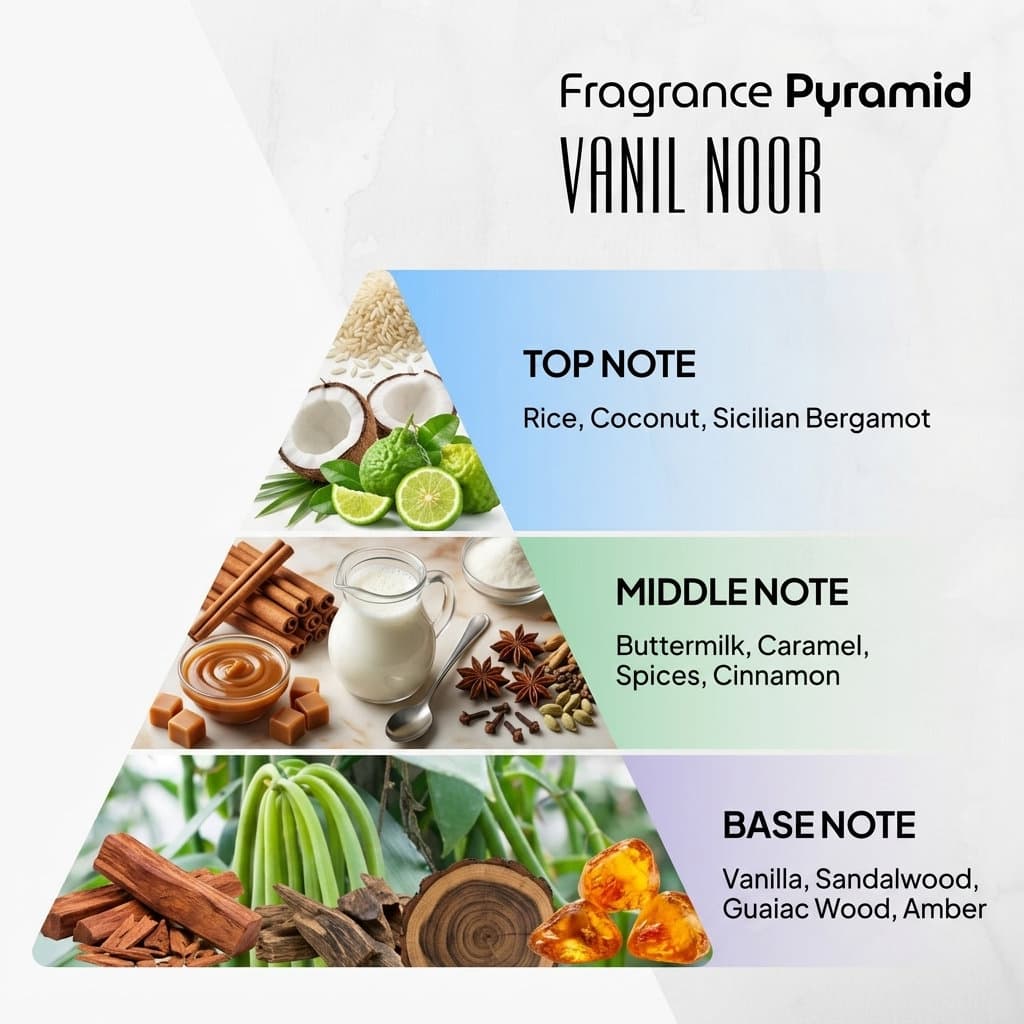
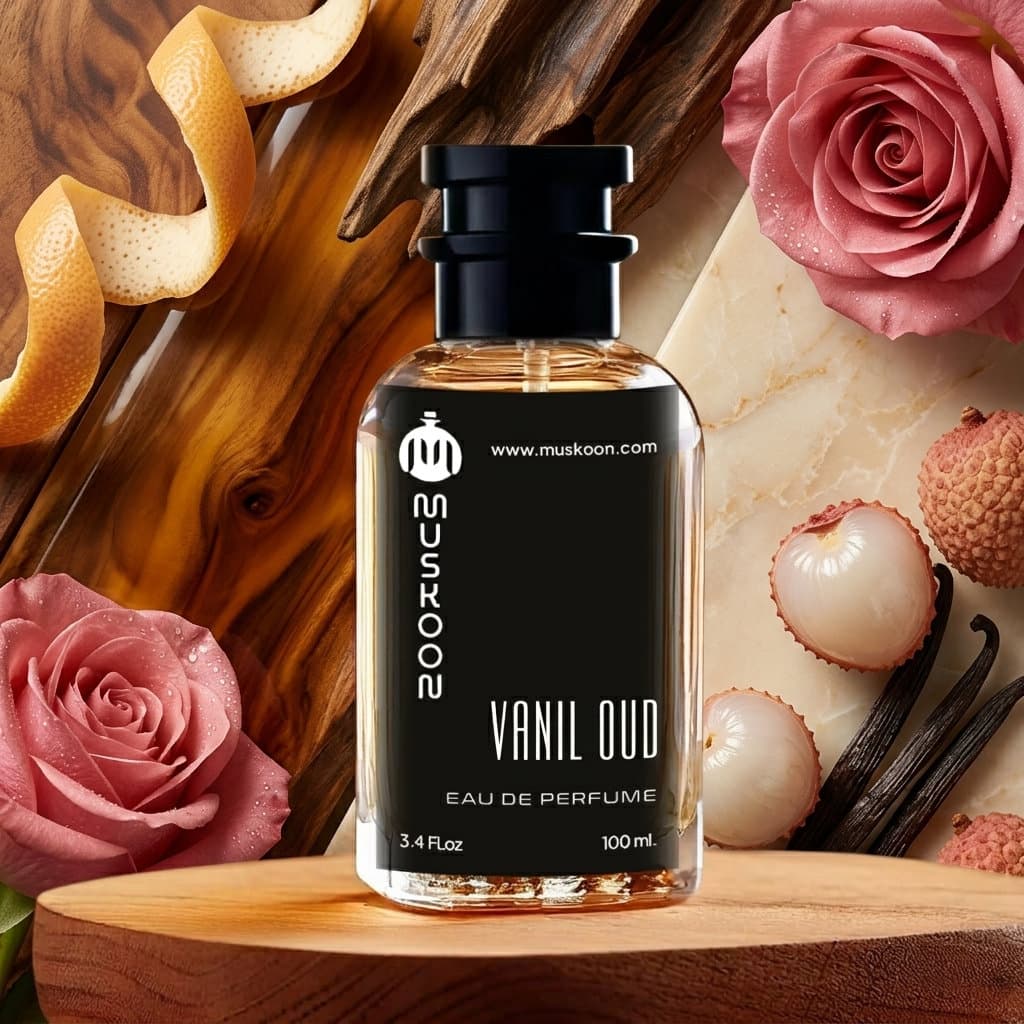
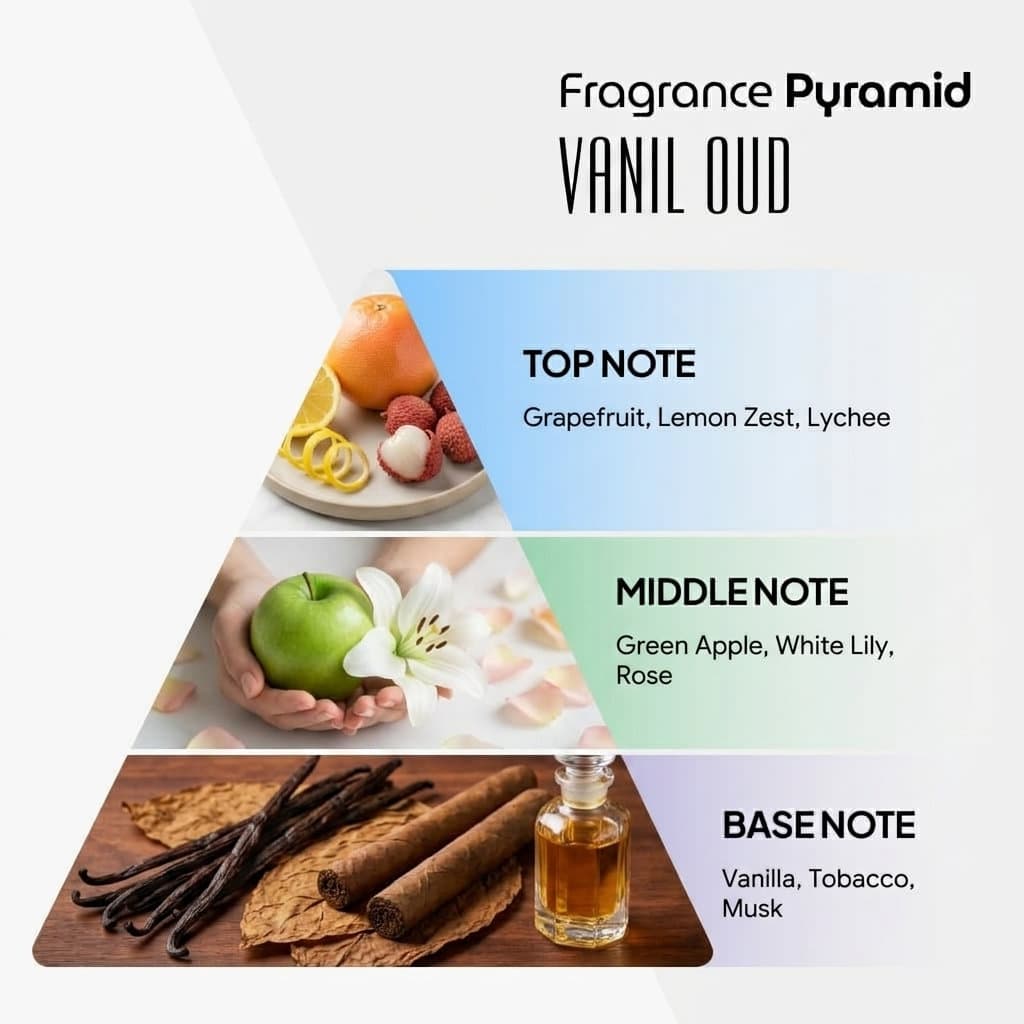
What Defines a Gourmand Fragrance?
A gourmand fragrance has an edible or food-inspired scent character. Its composition may evoke familiar food and beverage impressions, from creamy and confectionery-like to roasted, nutty or dessert-associated. It is useful to distinguish four related concepts:- Food inspiration: The food or beverage idea behind a scent.
- Perceived scent character: What the fragrance smells like.
- Fragrance-note description: The words used to describe that smell.
- Formulation material: The actual materials used in the composition.
What Do Gourmand Perfumes Smell Like?
Gourmand perfumes can express different edible-inspired scent characteristics. Some lean towards creamy or vanilla-associated impressions, while others evoke confectionery, cocoa, coffee or nutty profiles. The following groups help explain this variety. They are descriptive examples, not a rigid classification system.Vanilla and Creamy Notes
Vanilla, milk and cream are familiar references for creamy scent impressions. These can contribute soft, rounded or vanilla-associated characteristics. However, a vanilla-led fragrance is not automatically gourmand. Its overall scent character determines its classification.Caramel and Confectionery Notes
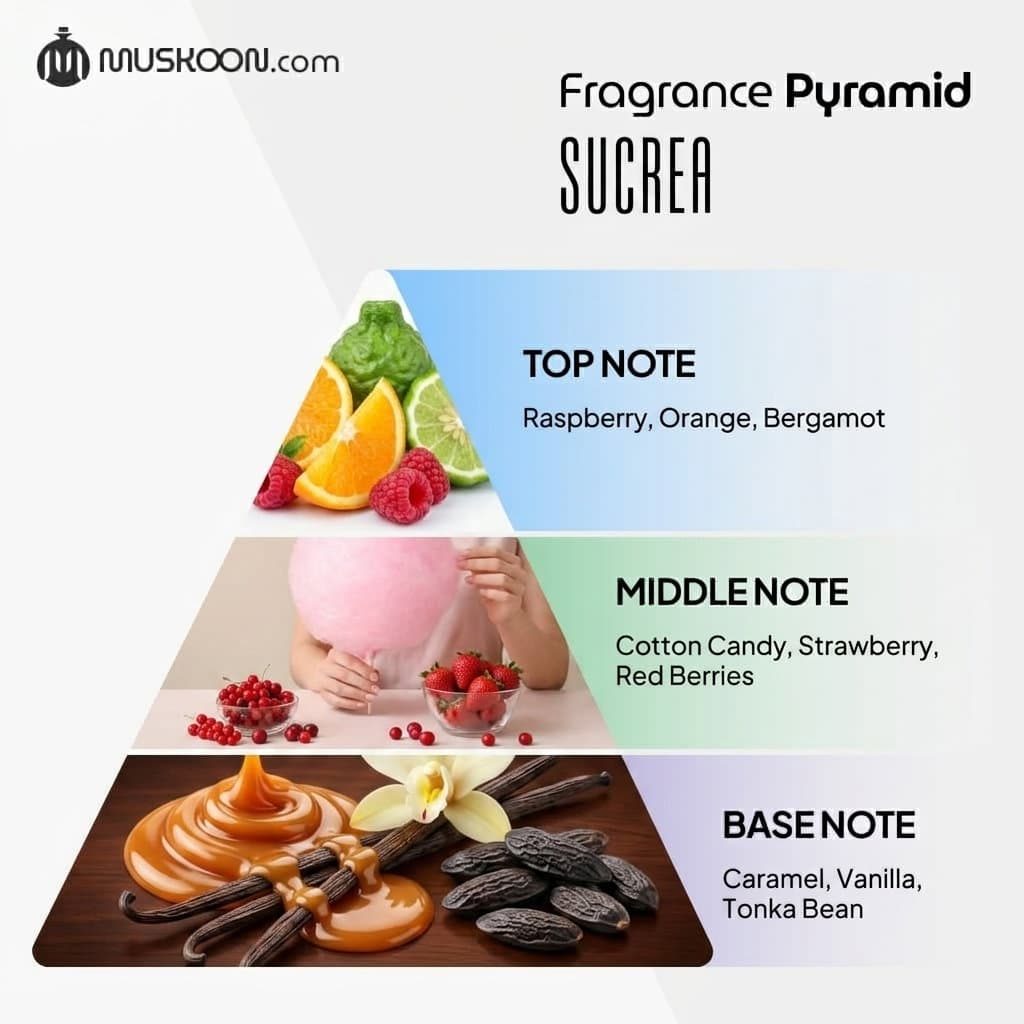
Caramel, toffee, fudge and spun sugar describe confectionery-inspired scent directions. These references can suggest sugary or confectionery-like impressions. They do not necessarily identify ingredients used in the formulation.Chocolate and Cocoa Notes
Chocolate and cocoa are common references for gourmand scent descriptions. They help communicate cocoa-like and chocolate-associated impressions. A chocolate-like fragrance description does not establish that actual chocolate is present in the formula.Coffee and Beverage Notes
Coffee, cappuccino, rum and Cognac are examples of beverage-inspired scent references. They can describe roasted, aromatic or beverage-associated impressions. A beverage reference does not prove that the corresponding drink or alcohol material appears in the formulation.Nutty and Other Edible Notes
Almond, pistachio, praline, honey and syrup provide other examples of edible-inspired scent descriptions. These references help visitors recognise different gourmand directions without treating every description as an ingredient declaration. HoneyToffee
Syrup
Gourmand vs Sweet Fragrances
Gourmand and sweet are related, but they do not mean the same thing. Gourmand describes an edible or food-inspired scent character. Sweet describes a broader olfactory impression. A floral, fruity or amber fragrance can smell sweet without having a gourmand character. Likewise, vanilla alone does not establish a Gourmand classification. Gourmand fragrances can also combine with other scent characteristics:- Fruity-gourmand: Fruit-like impressions combined with edible or food-inspired characteristics.
- Floral-gourmand: Floral impressions alongside gourmand character.
- Woody-gourmand: Woody characteristics combined with edible-inspired impressions.
- Spicy-gourmand: Spice-related characteristics alongside gourmand character.
How to Choose a Gourmand Perfume
Start by identifying the scent direction that interests you.- Creamy or vanilla-associated: Explore products with documented creamy or vanilla characteristics.
- Confectionery-inspired: Compare verified caramel or toffee descriptions.
- Chocolate or cocoa-like: Look for documented cocoa-associated impressions.
- Coffee or beverage-inspired: Explore products with verified coffee or related scent descriptions.
- Combined profiles: Compare gourmand fragrances with documented fruity, floral, woody or spicy facets.